Logitech’s radical new mouse ditches clicks for magnets

https://www.pcworld.com/article/3077047/logitechs-radical-new-mouse-ditches-clicks-for-magnets.html

There are a lot of different gaming mice you can use, but all of them have something in common: physical switches. They’re similar to the electrical switches in keyboards and controllers. But there’s a newer option as well, supplied by Logitech—the switches in the Pro X2 Superstrike are magnetic and adjustable. In the latest PCWorld video on YouTube, Will Smith tells us why that’s important.

The Pro X2 Superstrike‘s primary left and right buttons use a magnetic sensor under each button which can measure the distance you press down. There’s no physical contact between the components. In order to simulate a more conventional “click” experience, it uses haptic feedback, just like a phone keyboard or a touchpad on more premium laptops.

Both the actuation point (how fast the click, um, clicks) and the intensity of the feedback are adjustable. Like adjustable actuation keyboards, you can also choose how long it takes the release action to trigger, or even bind separate actions to the release.

So, what’s the point of all this? Incredibly rapid clicks!

If you’re playing a shooter and using a semi-automatic weapon, wherein each click is a separate shot, the “hair trigger” adjustments you can make to the mouse absolutely make a noticeable difference in game. The mouse is also much quieter than a conventional design since it lacks a physical contact with the buttons.

“Are you actually better with this mouse?” asks Adam.

“Look… it’s impossible to tell,” answers Will.

As with all premium gaming equipment, the better you are at the actual game, the more you’ll be able to take advantage of the hardware’s capabilities. But unlike some controversial adjustable actuation keyboard features (like Snap Tap), the rapid firing enabled by the Pro X2 Superstrike isn’t widely regarded as “cheating” (at least for now).

The Pro X2 Superstrike gets all of Logitech’s best gaming mouse capabilities, including wireless charging while playing if you use the compatible PowerPlay 2 pad. It’s also got a frankly insane 44,000 DPI sensor, grip pads in the box, all that jazz. Unfortunately, it relies upon Logitech’s G gaming software to adjust all those variables, and getting it to run on Linux might be a bit of a headache.

This mouse doesn’t come cheap, though. It’s $180 at retail. For more takes on gaming hardware, be sure to subscribe to PCWorld on YouTube and check out our weekly podcast The Full Nerd.

via PCWorld https://www.pcworld.com

March 9, 2026 at 10:53AM
China Made LiDAR Cheap. Now Automakers Are Racing to Put It in Your Next Car

https://www.autoblog.com/news/china-made-lidar-cheap-now-automakers-are-racing-to-put-it-in-your-next-car

Cheaper LiDAR Makes Mass Adoption Possible

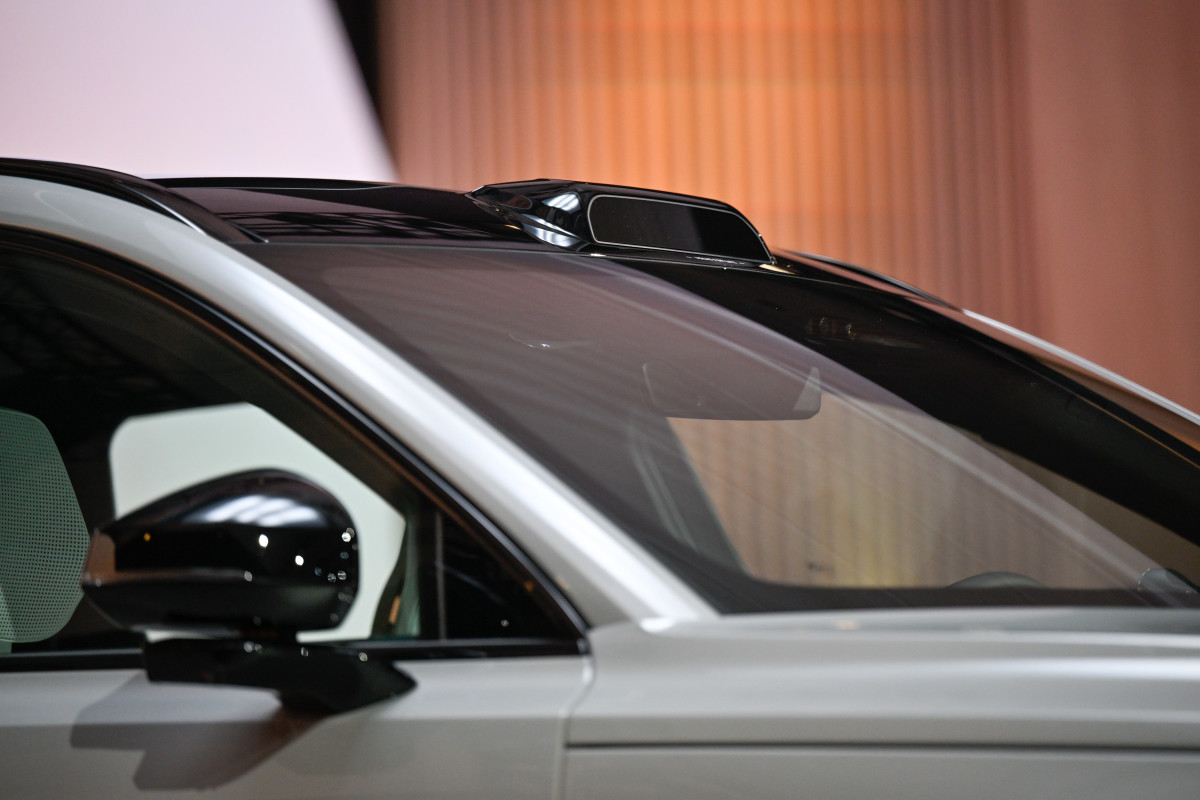
A decade ago, LiDAR was mostly limited to experimental autonomous vehicles. Early systems, such as those mounted on Waymo robotaxis, could cost as much as $50,000 per unit. These sensors were large and were often installed on the vehicle’s roof. They also required significant computing power to process the detailed data they produced. At the time, lidar was considered essential for autonomy research but far too expensive for production vehicles.

China changed that equation quickly. According to Automotive News, automakers there began installing LiDAR in production EVs and pushed suppliers to scale manufacturing. Companies such as Hesai and RoboSense increased output and drove prices down dramatically. Some compact units now cost roughly $200. Millions of sensors are produced each year. As a result, a growing share of Chinese EVs now feature LiDAR as part of their advanced driver-assistance systems.

Getty

Why Automakers Are Suddenly Embracing LiDAR

LiDAR prices are falling while vehicle computing power continues to improve. This combination is pushing Western automakers to reconsider the technology. LiDAR stands for light detection and ranging. The system uses laser pulses to create a detailed 3D map of a vehicle’s surroundings. Cameras rely heavily on lighting conditions and visual contrast. LiDAR works reliably in darkness, glare, and poor visibility. It also measures distance with high precision.

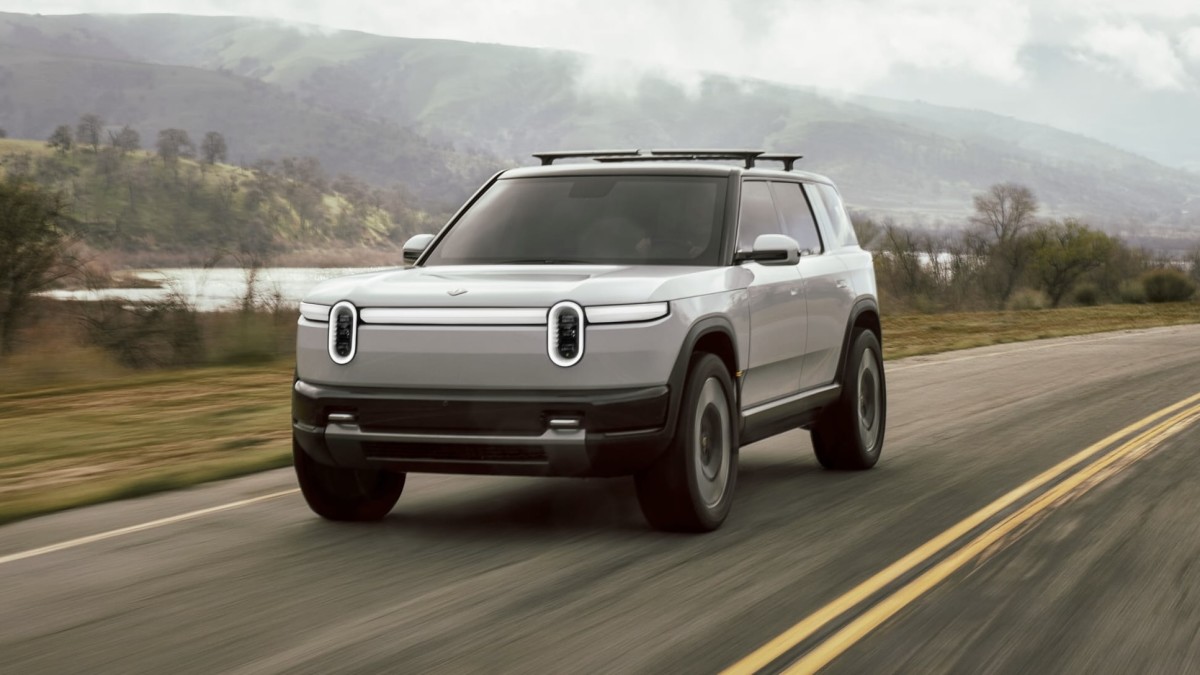
Several automakers now see LiDAR as a key step toward more advanced driver assistance and future automation. Rivian plans to introduce LiDAR on its upcoming R2 crossover. Ford Motor Company and General Motors are developing systems designed to support Level 3 automated driving later this decade. Lucid Motors already offers LiDAR as part of its driver-assistance package. Automakers see it as an added layer of redundancy alongside cameras and radar.

Rivian

Tesla’s Skepticism and the Road Ahead

One of the most prominent critics of LiDAR is Elon Musk. His company, Tesla, relies on a camera-based system for its driver-assistance technology. Musk has repeatedly argued that advanced artificial intelligence and cameras are enough to achieve autonomy. In his view, LiDAR adds unnecessary cost and complexity to the system.

Recent developments highlight the uncertainty surrounding autonomy technology. Tesla acknowledged that many vehicles may require upgrades to support future unsupervised, self-driving capability. This could affect customers who already purchased the Full Self-Driving package. The situation reflects the larger industry debate. Some companies continue to pursue camera-focused systems. Others believe that LiDAR’s falling costs and precise environmental mapping will play a major role in building safer, more capable automated vehicles.

Marc Piasecki?Getty Images

via Autoblog https://ift.tt/fbIxE2R

March 7, 2026 at 07:46AM