
https://www.popsci.com/gear/best-of-whats-new-2025/
At Popular Science, we’ve published our prestigious Best of What’s New list since 1988. Our enthusiasm for ground-breaking innovations dates back even further than that—all the way to May 1872. For 153 years, we’ve celebrated the science and technology that shapes our everyday lives and launches humanity forward.
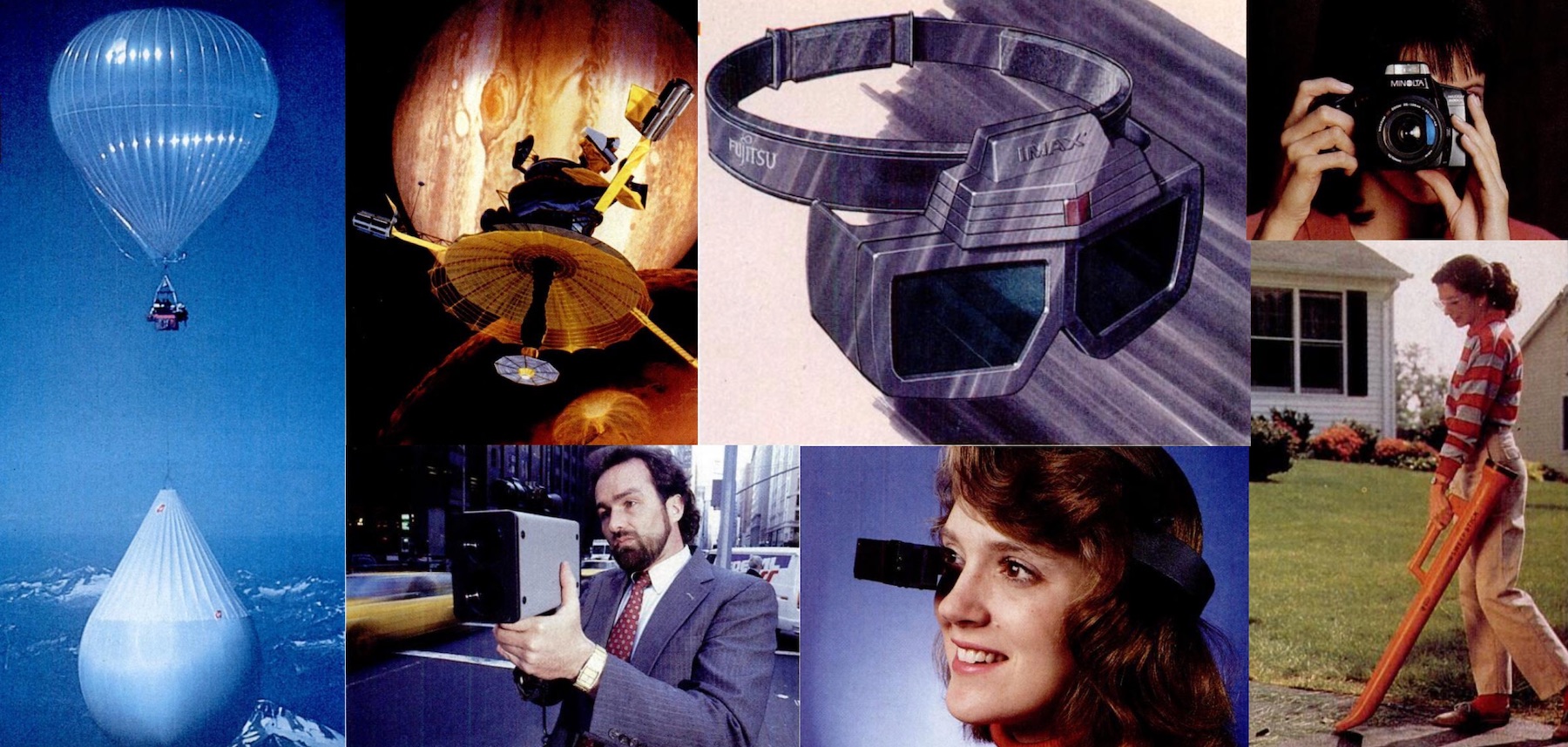
Innovation doesn’t follow a straight path, and the detours, stumbles, and dead ends force great minds to pioneer change. Looking back at the early days of our Best of What’s New lists, we see technologies that now seem quaint or have been completely forgotten, but we also see the roots of future greatness.
Our list this year is the culmination of countless hours of debate, hands-on testing, and expert conversations. This is the Best of What’s New 2025.
- Aerospace
- Entertainment
- Personal Care
- Health
- Gadgets
- Emergency Services
- Auto
- Home
- Sports & Outdoors
- Engineering
Aerospace
2025 was full of efficiency innovations and bold initiatives in the world of aerospace. From the most detailed movie of the night sky ever made to the first commercial soft landing on the moon, this year has been an inflection point for exploring and understanding the vast expanse above our heads. We also saw breakthroughs in small changes to commercial airliners that improve efficiency, as well as a new type of rocket engine that might be the future of extremely high speed air travel, plus the closest view of Mercury we’ve ever seen!
Innovation of the Year
Vera C. Rubin Observatory by U.S. National Science Foundation & Department of Energy: World’s largest digital camera to conduct 10-year survey of the night sky

Prepare to see space like never before. The Vera C. Rubin Observatory is a groundbreaking US-funded project that will capture the most detailed, dynamic map of the night sky ever made. Using the world’s largest digital camera, it will capture a time-lapse of the entire sky every few nights to reveal billions of objects and catch fast-changing events like supernovae and near-Earth asteroids. Its massive dataset will help scientists better understand dark matter, dark energy, and the structure of the universe while also improving planetary defense.
The 3,200-megapixel Legacy Survey of Space and Time (LSST) camera is the size of a small car and twice as heavy, tipping the scales at 6,000 pounds. The sensor’s huge number of megapixels is equivalent to 260 modern cell phone sensors. The camera is so powerful, it could snap a clear image of a golf ball from 15 miles away.
By making its data widely available, the observatory will also open new doors for discovery for researchers, students, and citizen scientists around the world.
Riblet-shaped coating on 787 by Japan Airlines: Stabilizing airflow, reducing turbulence, and increasing fuel efficiency

Deployed on Boeing 787-9 aircraft starting in January, the coating uses tiny, sharkskin-like grooves called riblets to guide airflow smoothly along the aircraft’s surface. By keeping the air more organized and reducing small pockets of turbulence, the riblets cut aerodynamic drag, which normally wastes energy. That reduction in drag translates directly into better fuel efficiency, lowering operating costs and reducing the plane’s carbon emissions. Overall, this smart surface technology gives the 787 a quieter, cleaner, and more efficient ride without changing the aircraft’s shape or engines.
Blue Ghost lunar lander by Firefly Aerospace: First commercial company to soft land on the moon

The Blue Ghost lander was the first commercial vehicle to soft-land on the Moon, marking a major milestone in the shift from government-only lunar missions to public–private exploration with its March 2 touchdown. Over the summer, Firefly Aerospace was awarded a NASA contract to deliver science and technology instruments to the Moon’s south polar region, an area crucial for studying water ice and future human exploration. Successful delivery will help NASA gather data needed for future Artemis missions while proving that commercial companies can reliably operate on the lunar surface, demonstrating the Blue Ghost lander to be a major step toward a more sustainable, commercially driven lunar economy.
Rotating Detonation Rocket Engine by Venus Aerospace: Powering future flight from Los Angeles to Tokyo in under two hours

Venus Aerospace’s Rotating Detonation Rocket Engine (RDRE) is a new type of rocket propulsion that creates continuous spinning shockwaves to burn fuel far more efficiently than traditional rocket engines. This technology is targeted to enable aircraft to travel at speeds of Mach 4 to Mach 6 (3,069 to 4,603 mph), making routes like Los Angeles to Tokyo possible in under two hours. Because the engine produces more thrust with less fuel, it opens the door to faster, lighter, and potentially more affordable high-speed travel. In short, the RDRE is a key step toward turning ultra-fast, global point-to-point flight from science fiction into realistic transportation.
BepiColombo by Japan Aerospace Exploration Agency (JAXA) & European Space Agency (ESA): Exploring Mercury closer than ever

BepiColombo is the most ambitious mission ever sent to study Mercury, a planet that’s hard to reach because of the sun’s intense gravity. The spacecraft carries two orbiters—one built by the European Space Agency (ESA) and one by the Japan Aerospace Exploration Agency (JAXA)—that will map Mercury’s surface, study its thin atmosphere, investigate its magnetic field, and analyze its interior structure. These measurements will help scientists understand how rocky planets form and evolve, including Earth-like worlds in other star systems. By working together, JAXA and ESA are tackling one of the toughest destinations in the solar system and filling in major gaps in our understanding of the innermost planet.
Entertainment
The smartphone era has brought about an era of convergence when it comes to consumer electronics. Tons of devices we used to rely on—small cameras, calculators, flashlights, music players, etc.—have rolled up into our phones. Entertainment has experienced a similar move toward a small-screen singularity. In 2024, users collectively watched more than 4 billion minutes of TikTok content on their phones every single day. Still, big screens persist. This year’s list includes a pair of new TV technologies built to be enjoyed from feet away, not inches from your face. A pair of clever earbuds use magnetic fluid to let you hear familiar music with a fresh sound. And, while it’s already perhaps too easy to start a podcast, the industry standard microphone has gotten a very useful upgrade that makes high-quality content creation even more accessible.
Grand Award Winner, Entertainment
Micro RGB TV by Samsung: A TV that creates color in a totally different way
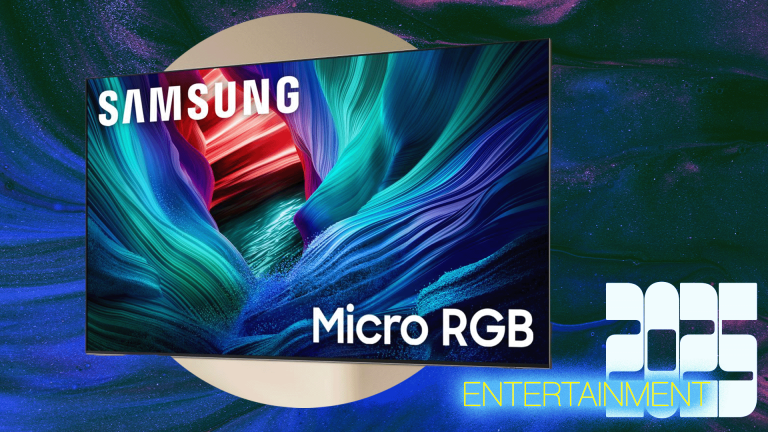
Pictures of Samsung’s Micro RGB TV don’t do it justice. When I saw it in person earlier this year, I was shocked by the vibrant colors and brightness it offers. Even compared to typical OLEDs (which are renowned for their color reproduction), it created a tangibly more vivid viewing experience. Each sub-100-micron RGB emitter sits directly behind the panel and is driven on its own, which lets the set hit unusually wide color gamuts while maintaining extremely high brightness and contrast at a 115-inch, 4K size. True Micro LED tech remains exclusive to commercial installations, but Micro RGB provides an extremely similar experience without the need for complex professional installation. A screen this large that can still show deep blacks and highly saturated color in a bright room reshapes what home theater looks like—if you can afford it—and sets expectations for what premium displays should do over the next decade.
Magnetic Fluid Driver by Technics: Earbuds that tune the driver with liquid, not just magnets
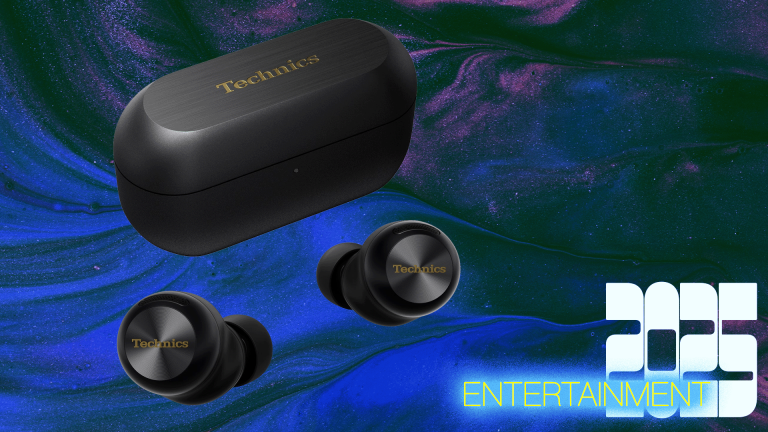
Technics’ EAH-AZ100 earbuds use a dynamic driver with magnetic fluid—an oil-like liquid loaded with magnetic particles—between the voice coil and the diaphragm. Instead of just cooling the driver, the fluid damps and centers its motion, cutting distortion and stabilizing the stroke, especially at low frequencies. That’s important because most earbud upgrades lately have come from digital signal processing and software tricks. Here the transducer itself gets an upgrade. Extending clean bass response down to a claimed 3 Hz while maintaining detail in the mids and highs shows there’s still headroom in single-driver designs, and it hints that more weird physics materials may show up inside everyday audio gear.
Atmos FlexConnect by Dolby: Room-aware surround sound that starts from the TV

Even the fanciest home audio system won’t sound good if it’s not set up correctly. Dolby Atmos FlexConnect uses the TV as a hub that listens for wireless speakers, figures out where they are in the room, and then assigns channels and levels automatically instead of forcing you to figure out symmetrical layouts and manual calibration. The system identifies each speaker’s capabilities and position, then divides Atmos height, surround, and dialogue information between the TV’s own drivers and any paired satellites. TCL’s 2025 QD-Mini LED TV sets and matching Z100 speakers are the first to ship with it, which makes Atmos-style setups closer to “plug it in and listen” than “learn to be your own installer.” It’s still a closed ecosystem for now, but it points toward surround systems that adapt to cluttered apartments and real furniture instead of demanding a perfect demo room.
MV7i two-channel mic by Shure: A podcast mic with an audio interface built in
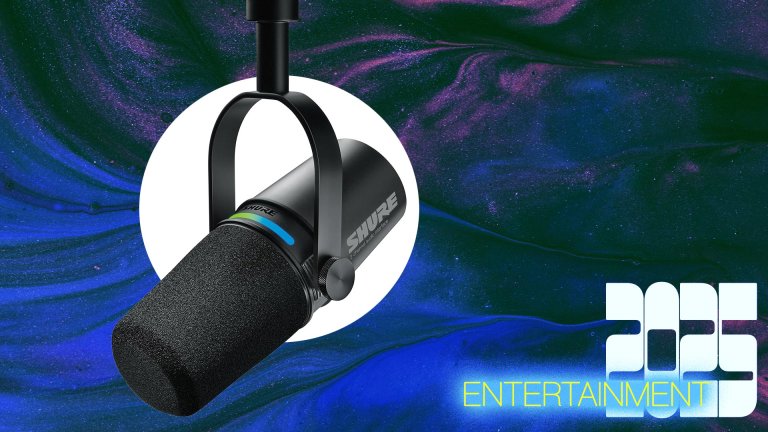
If you watch podcast content, streamers, or pretty much any kind of interview content online, you’ve seen the Shure MV7 microphone. It’s the industry standard, and now it works as its own stand-alone podcast studio. Plug it into a computer via USB-C and you get the mic plus a combo XLR/ ¼-inch input on the back for a second microphone or instrument, with both channels appearing separately in Shure’s MOTIV Mix software or your digital audio workstation. That lets a solo creator record a host and guest, or voice and guitar, without hauling around an extra interface box, power supply, and cabling. Dual-channel recording directly from a single desktop mic lowers the barrier to making more polished shows and music from small spaces, and it shows how much traditional studio hardware can collapse into a single device.
G5 Evo by LG: An OLED TV that belongs in bright rooms
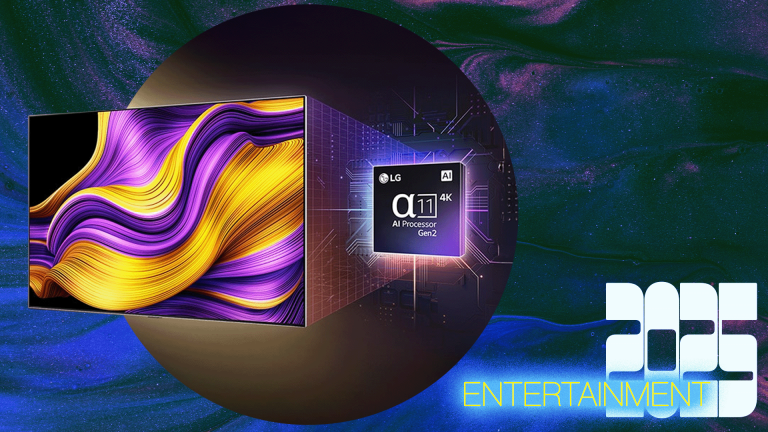
LG’s G5 Evo OLED overcomes one of the biggest limitations of this particular type of digital display: overall brightness. A new tandem RGB OLED stack, revised light-emitting structure, and brightness booster drive peak HDR highlights above 2,000 nits while still keeping the near-perfect black levels that made OLED appealing in the first place. Paired with the ?11 AI Gen2 processor and support for 4K at up to 165 Hz, the panel can handle both bright daytime viewing and high-frame-rate gaming without falling back to washed-out LCD tricks. It’s a reminder that OLED is still evolving as a technology—and that the next few years of TV design will be less about inventing new acronyms and more about making self-emissive panels viable in real, sunlit living rooms.
Personal Care
In a market saturated with wellness products that promise to fix your whole life but rarely deliver much of anything, this year’s personal care winners stand out for actually solving real problems. The 2025 class represents genuine inclusivity and thoughtful design—from a breast pump that goes old school to level up its wearability, to world-class headphones that double as hearing aids and workout coaches. These products aren’t just chasing trends or throwing around pseudoscientific buzzwords. Instead, they address overlooked challenges with smart engineering: making fragrance bottles easier to grip, transforming sleep routines for exhausted parents, and rethinking recovery gear so athletes can soothe strained muscles while on the move. Each winner proves that meaningful innovation happens when companies consider users’ actual needs—and use that knowledge to make good products great.
Grand Award Winner, Personal Care
Willow Wave Manual Breast Pump by Willow: Modern mobility meets manual pumping
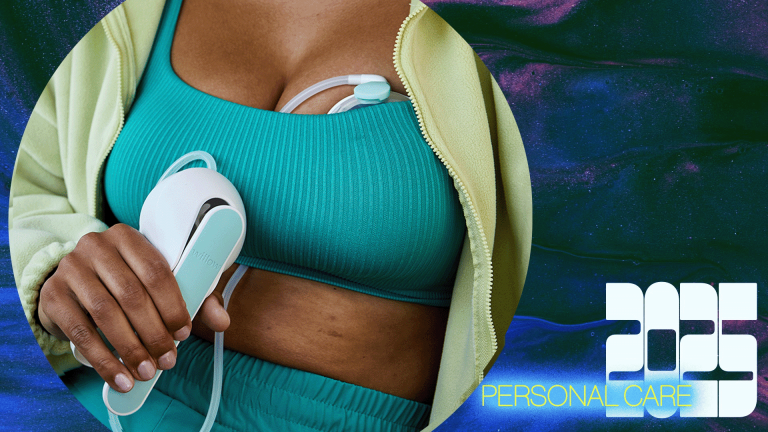
The wearable breast pump market has exploded in recent years, allowing parents to pump without tethering to a plugged-in device or getting tangled in tubing. Some options now fit the whole pumping mechanism into a form that can slip into your bra, promising a level of discretion that would have been unthinkable just a decade ago. But most come with a significant caveat: They’re loud. Motor noise can make pumping that might be otherwise undetected during a video call or in a quiet office practically impossible. The Willow Wave solves this problem by replacing a humming motor with an old-school, manual pump mechanism—but without sacrificing the mobility that makes wearable pumps so appealing in the first place. Building on the company’s experience creating the first fully in-bra wearable electric pump, Willow has reimagined what a manual pump can be. The Wave fits completely inside a standard nursing bra. Its ergonomic handle prevents hand fatigue while pumping and connects via 34 inches of adjustable tubing, giving users genuine freedom of movement and total control over their device’s hospital-strength suction. The result is a wearable pump that’s finally quiet enough to use anywhere—even during that morning video meeting.
Hyperboot by Nike × Hyperice: Recovery that keeps up with you
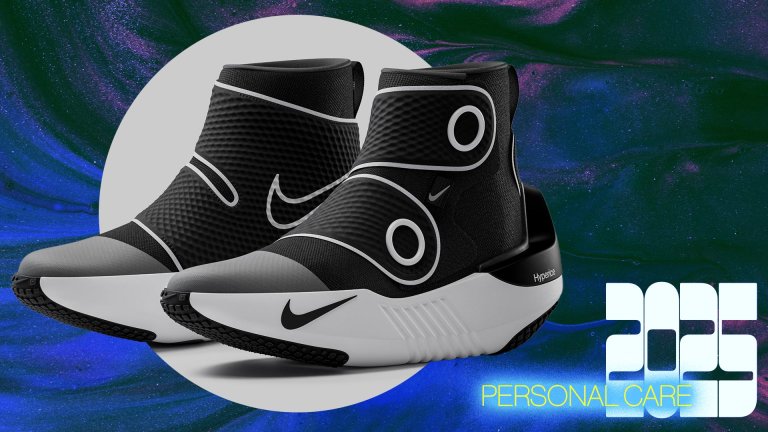
Compression boots have rightfully become a trendy recovery tool, but most require you to sit still for treatment. The Hyperboot offers an on-the-go alternative in the form of a battery-powered shoe. It combines Hyperice’s Normatec dynamic air compression with targeted heat therapy, all in a wearable form that lets you recover while standing, walking, sitting, or traveling. The air compression pushes heat deeper into the tissue of the ankle and Achilles tendon for more effective treatment. Whether you’re getting a walk in between meetings or traveling from one marathon to the next, the Hyperboot delivers professional-grade recovery without making you stop and sit. It’s the kind of multitasking recovery tool that busy athletes and weekend warriors alike have been waiting for.
Rare Eau de Parfum by Rare Beauty: Fragrance designed for everyone

Most perfume bottles prioritize aesthetics over accessibility, leaving people with limited hand mobility to overcome delicate caps and stiff spray mechanisms. Rare Beauty founder Selena Gomez, who lives with lupus-related arthritis, wanted her brand’s first foray into scent to do better. The bottle features an easy-grip shape and a low-force spray mechanism that makes application simple for people with limited mobility or strength. The oversized pump can be pressed down with any part of your hand or even your arm, eliminating the need for precise finger pressure. Beyond accessibility, the perfume itself offers unusual versatility: Wear it solo or combine it with the brand’s Fragrance Layering Balms to customize the scent to your mood or occasion.
AirPods Pro 3 by Apple: The world’s most capable earbuds can also keep you feeling your best

Apple’s latest AirPods Pro would probably earn a spot somewhere on the BOWN list for their upgraded Active Noise Cancellation and improved acoustic seal alone. But the earbuds’ health and wellness features made it a shoo-in for personal care. Apple’s smallest-ever heart rate sensor pulses invisible light into the ear at a rate of 256 times per second to deliver accurate workout metrics without a chest strap. The Apple Intelligence-enabled Workout Buddy feature delivers personalized motivational messages mid-session, while sensor fusion from the built-in accelerometers, gyroscope, and custom photoplethysmography sensor tracks heart rate, calories burned, and progress across up to 50 types of workouts. The AirPods Pro 3 also offer an end-to-end hearing health experience. Users can take a scientifically validated hearing test, then use the Hearing Aid feature to adjust for mild to moderate hearing loss. Meanwhile, Hearing Protection uses machine learning to prevent further hearing damage, reducing environmental noise 48,000 times per second. These aren’t just exceptional earbuds; they’re a comprehensive health companion that also happens to deliver pristine audio.
Ozlo Sleepbuds by Ozlo: The sleep tracker that actually helps you sleep

Sleep-tracking devices are everywhere, but most just give you data. Ozlo Sleepbuds take a different approach by combining comfort-first hardware with advanced noise-masking technology and genuinely useful insights. Designed to stay comfortable all night—even for side sleepers—the tiny buds let you stream calming content, audiobooks, meditations, or your favorite playlist as you drift off. Using built-in biometric sensors to detect when you’ve fallen asleep, they automatically switch to noise-masking audio that blocks out snoring, traffic, and other disruptions. The charging case also acts as an environmental sensor, detecting changes in light, temperature, and noise throughout the night. In the morning, the accompanying app’s Sleep Patterns feature shows exactly how you slept, tracks progress toward your personalized goals, and reveals how environmental factors shaped your rest.
Health
For years, needing reading glasses to correct farsightedness seemed like an inevitable part of aging. This year, the visual accessories might officially be a thing of the past. VIZZ eyedrops by LENZ Therapeutics offer a new tool against age-related farsightedness. The newly approved drops are powerful enough to improve vision by three or more lines on an eye chart within only 30 minutes.
That wide-ranging impact is why Popular Science chose the drops as the 2025 Health category winner. This year’s list also includes ground-breaking improvements to pediatric heart transplants, a potential cure for a deadly blood cancer, and a minimally invasive way to treat prostate cancer.
Grand Award Winner, Health
VIZZ by LENZ Therapeutics: Eye drops correct age-related farsightedness for up to 10 hours at a time
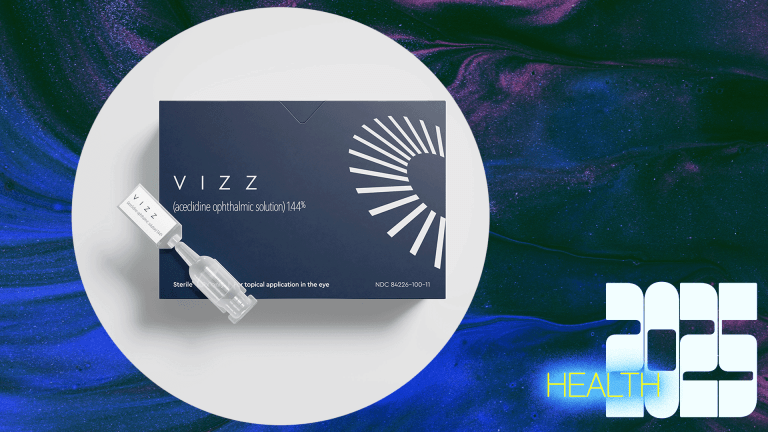
Presbyopia, age-related farsightedness that makes people need reading glasses, affects 128 million people in the US, and close to 2 billion people worldwide. It’s one of the few conditions that is basically guaranteed if you live long enough. Now, an eye drop called VIZZ, developed by LENZ Therapeutics, offers presbyopic patients vision correction for 10 hours at a time.
The aceclidine eye solution got FDA approval for treatment of presbyopia in July. Aceclidine, previously known in Europe as an unremarkable treatment for glaucoma, works on the iris by making the pupil smaller. The smaller the pupil, the greater the depth of focus. In trials that included 1,059 participants, aged 45 to 75, VIZZ improved people’s near vision by three or more lines on eye charts within 30 minutes. Investigators reported that participants could read phones and tablets without reading glasses, and had no loss to their distance vision. Results lasted up to 10 hours.
Previously, other presbyopia drops that worked on a different part of the eye—the ciliary muscle, which is behind the iris—caused brow pain for some users. For users of VIZZ, the most commonly reported adverse reactions are eye irritation, dimming of vision, redness, and headache. The company also recommends consulting an eye care professional before starting these, as miotics like VIZZ could heighten the risk of retinal tears.
On-Table Reanimation of a Pediatric Heart from Donation after Circulatory Death by Duke University Medical Center: Widening the donor pool for children in need of a heart

Babies are far more likely than adults to die waiting for a heart transplant. In 2022, a study from the Scientific Registry of Transplant Recipients found that more than 1,100 children were on the waitlist, with hundreds more being added every year. Due to a small donor pool and lack of devices usable in pediatric transplants, up to 20% of those children will die while waiting. The most common type of heart donation is donation after brain death (DBD). However, a way to widen the donor pool would be to include heart donations following circulatory death (DCD), or after the donor’s heart stops beating. A known technique called normothermic regional perfusion (NRP) reanimates a DCD heart in order for it to be donated. However, NRP has raised ethical concerns surrounding the definition of death and restoring blood flow to a dead body. As a result, the technique faces bans at many institutions, and viable donor hearts—including pediatric hearts—frequently go unused.
In an attempt to bypass the fierce NRP debate and increase the donor pool for infants in need, a team at Duke University Medical Center developed the on-table reanimation technique, a system with a special circuit that reanimates the DCD heart outside of the body right on the surgical table. Because all of this happens outside the body, the new technique sidesteps many of NRP’s restrictions. Using the new technique, the team successfully transplanted a heart from a 1-month-old donor to a 3-month-old recipient. According to Dr. Joe Turek, a pediatric cardiac surgeon at Duke University, the recipient baby has been healthy and well ever since.
The Duke team is now presenting the technique to colleagues around the country. A wide adoption of it could increase the donor pool for pediatric heart transplants by up to 20% and save countless children’s lives. According to the Duke team, this method could be applied to adult heart transplants as well, offering a less expensive way of getting donor hearts to patients in need.
Carvykti by Legend Biotech and Johnson & Johnson: Possible cure for deadly blood cancer

Multiple myeloma has long been considered incurable. The deadly blood cancer, a disease that 36,000 Americans develop each year, eats away at bones, creating holes that weaken the skeleton. In a milestone study published this year, Carvykti, a CAR-T immunotherapy, has yielded long-term remission and survival for multiple myeloma patients. Out of 97 treated patients, one-third had their cancer disappear. This is a striking outcome for people who were facing death after trying everything prior to the treatment. With some patients as of today going on five, or even seven, years post-treatment completely disease-free, researchers are encouraging colleagues to consider using cancer medicine’s forbidden four letter word: cure.
Developed in China by Legend Biotech, which then teamed up with Johnson & Johnson, Carvykti works by extracting a patient’s own white blood cells, retraining them to fight against the cancer, then reinfusing them back into the body. Unsurprisingly, it can be a physically grueling process.
The FDA approved the therapy in 2022, and it’s now causing a stir as follow-up research uncovers its astounding long-term effects. Researchers say the results would likely be even better if Carvykti was used as an earlier line of treatment, and not only as a last resort.
Remote Patient Monitoring program for blood pressure by UC Davis Health: A personalized, widely accessible program to resolve hypertension

Hypertension is a chronic disease that affects nearly half of Americans over age 20, according to the American Heart Association. High blood pressure can put someone at risk of heart disease, heart attack, and stroke. Getting high blood pressure under control can not only lengthen a person’s life, but also improve their ease and enjoyment of everyday activities. UC Davis Health recently pioneered an at-home patient monitoring program using take-home technology to help hypertension patients lower their blood pressure.
The Remote Patient Monitoring program for blood pressure is six months long, but patients can extend their participation in the program for up to a year. The program includes education, medication, and blood pressure cuffs for at-home monitoring. Each patient is given an orientation, group classes, and individual coaching about best practices for their health, all while working remotely with a full medical team. Combined, over 150 patients are either currently in or have gone through the program.
Now, over a year in, UC Davis Health is declaring triumph, citing an average drop in people’s blood pressure from 150/80 mmHg to 125/74 mmHg in only a matter of months, significantly reducing patients’ risk of heart disease. And participants are maintaining their progress even after graduating from the program.
UC Davis Health currently has several remote patient monitoring programs in place and wants to use new technology to make care more accessible. For many reasons—such as distance, age, mobility, or pregnancy—a patient may not be able to easily come in to see the doctor as often as they need to. UC Davis’ model could be useful for rural and urban medical centers alike. According to the program leaders, they are working to not only continue the program, but expand it in years to come.
NanoKnife by AngioDynamics: A minimally invasive intervention for prostate cancer

One in eight men will be diagnosed with prostate cancer in their lifetimes, according to the American Cancer Society. Treatment can include surgery or radiation, but these interventions can damage the nerves surrounding the tumor, leading to complications like erectile dysfunction and urinary incontinence.
Developed by AngioDynamics and cleared by the FDA in December 2024, NanoKnife sends localized electrical pulses directly to the cancerous tissue with a precision that avoids damage to neighboring tissues. Just like some breast cancer patients are given the option of a more targeted lumpectomy instead of treating the entire breast, eligible prostate cancer patients now have a more focused, radiation-free alternative that doesn’t require treating the entire gland.
The NanoKnife System offers men with prostate cancer that hasn’t yet spread a minimally invasive solution with limited quality-of-life side effects before doctors turn to other, more aggressive treatments. It is now being used in hospitals around the country.
Gadgets
Deep down, we want to be cyborgs. We spend huge chunks of time interacting with technology every day, but the friction created by devices and interfaces persists. This year, we got closer than we have been to tech that truly augments reality. Meta took its smart glasses beyond its beginning as a simple content creation tool. The rest of the innovations run the gamut from a drone that captures aerial images in a new way to a grand platform designed to help AI systems navigate the physical world. Ultimately, all of these devices are designed to help humans do more of the things humans already like to do. That’s the way it should be.
Grand Award Winner, Gadgets
Meta Ray-Ban Display smart glasses and Neural Band by Meta: The first true face computer

Meta’s Ray-Ban Display glasses and Neural Band represent the first successful attempt to make “face computing” feel like a feasible tool rather than a demo. A tiny display in the right lens overlays simple interfaces, captions, directions, and AI answers into your field of view, as the built-in microphones, speakers, and camera handle audio and capture in the background. The paired wristband reads small electrical signals from your forearm muscles so subtle finger movements act as clicks and scrolls, instead of relying on loud voice commands or big mid-air gestures. The near-eye display, on-body sensing, and assistant-like software fit into familiar-looking frames in a way that feels like it could exist in the real world. It makes routine tasks—translation, navigation, quick queries—possible without pulling out a phone, while forcing new conversations about what it means to have nearly invisible cameras and always-on AI in social spaces.
Cosmos by Nvidia: A “world model” stack for physical AI
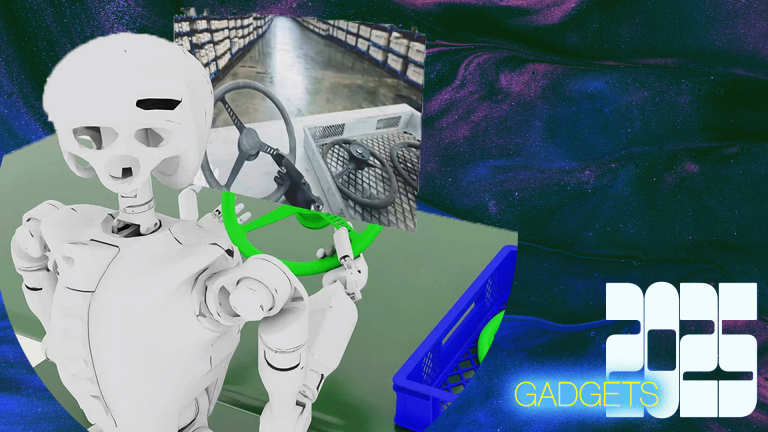
Cosmos is Nvidia’s toolkit for AI systems that have to deal with the physical world, like robots and autonomous vehicles. Video models can generate realistic scenes and short “futures” so machines can practice in simulation, while data tools clean and search huge logs of real sensor recordings for specific situations. Instead of each developer building their own patchwork of simulators and datasets, Cosmos offers a shared set of models and utilities tuned to Nvidia’s robotics and computing platforms.
More infrastructure and logistics are being handed off to automated systems, which need reliable ways to learn about rare or dangerous edge cases without causing real harm. If platforms like Cosmos work as intended, they make it easier to prototype and test those systems in synthetic worlds before they interact with actual streets, warehouses, and people.
Antigravity A1 by Insta360: A 360-degree drone for photo-first flying
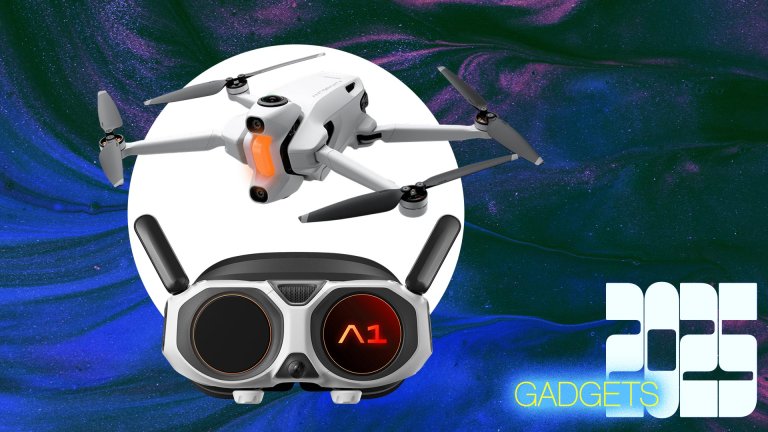
Antigravity’s first drone, developed with action camera maker Insta360, is built around a 360-degree camera instead of a forward-facing one. Rather than aiming a single lens during flight, the drone records everything around it; you decide on the framing later when you edit, turning the same flight into wide landscape shots, vertical clips, or immersive views. By separating “flying” from “camera work,” it lowers the skill barrier for getting usable aerial footage and gives experienced pilots more flexibility in tight or unpredictable environments. It’s a rare case in which a product drastically lowers the learning curve for beginners while substantially expanding creative options for experienced users.
Pioneer Na by BLUETTI: A sodium-ion power station that works in real cold
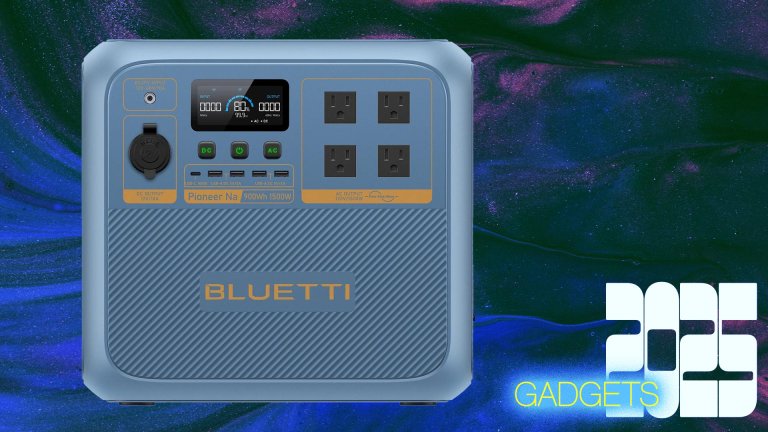
BLUETTI’s Pioneer Na portable power station swaps common lithium-based cells for sodium-ion batteries. Sodium-ion packs generally store a bit less energy per kilogram but offer several important upgrades. For users, the sodium cells can charge and discharge in cold weather conditions where many lithium units either lock out charging or lose much of their effective capacity. Cold tolerance matters for cabins, unheated garages, winter storms, and field work in colder regions, where backup power often fails right when it’s needed most. As a consumer product, Pioneer Na demonstrates how sodium-ion chemistry is moving from lab prototypes into real devices, suggesting a future mix of storage technologies instead of a single, lithium-only path. The sodium-based cells are built from much more abundant raw materials than their traditional competition.
UV Printer E1 by Eufy: A desktop UV printer that adds texture to objects
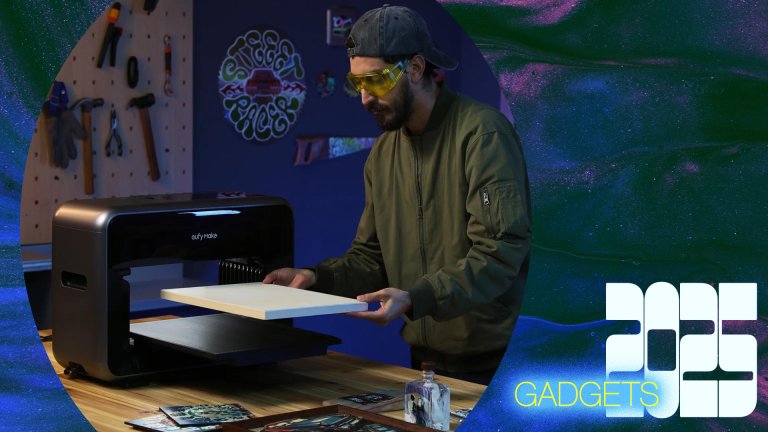
The eufyMake UV Printer E1 is a compact UV printer meant for objects, not paper. It uses UV-curable inks and repeated passes to build up millimeters of raised texture on plastics, metals, glass, and other materials, which are handled by fixtures that can hold flat panels, bottles, and long flexible pieces in the same machine. Alignment lasers, an onboard camera, and automatic printhead cleaning are there to keep that process predictable instead of fussy. Bringing this kind of textured, multi-material printing down to a desktop footprint lets small shops and serious hobbyists produce innumerable artistic and practical projects.
Emergency Services
The role of advanced technology in emergency services continued to expand in 2025, as new innovations have been applied to real-world and life-saving applications, along with significant upgrades to existing systems. Whether it’s a firefighting foam without harmful chemicals or a thrown tactical camera that first responders can use in dangerous situations, novel solutions are being deployed to address safety threats. Also, as natural disasters become potentially more dangerous, and climate change continues to alter our world, updates to satellite detection and emergency reporting released this year couldn’t have come at a more beneficial time.
Grand Award Winner, Emergency Services
NISAR satellite by NASA: Mapping entire land and ice-covered surface of Earth every 12 days

The NISAR satellite, a joint mission between NASA and the Indian Space Research Organisation (ISRO), is important because it will provide the most detailed, consistent, and global measurements ever made of how Earth’s surface is changing. Using two powerful radar systems (L-band and S-band), NISAR can detect ground movement as small as a few millimeters, even through clouds and darkness. This allows scientists to track earthquakes, volcanoes, landslides, glacier movement, coastal erosion, and changes in forests and agriculture with unprecedented precision. By monitoring these changes over time, NISAR will help improve disaster preparedness, support climate research, and give countries better tools to manage natural resources and protect vulnerable communities.
SoyFoam TF 1122 by Cross Plains Solutions: Fighting fires without PFAS forever chemicals

SoyFoam TF 1122 is the first firefighting foam to combine PFAS-free, fluorine-free chemistry with the highest level of independent safety certification and sustainability credentials. Made largely from highly biodegradable soy-based ingredients, it offers strong fire-suppression performance while being far safer for firefighters, communities, and the environment. Its biodegradability and top-tier GreenScreen Gold certification show that it meets strict health and environmental standards, meaning it provides a cleaner, safer, and future-ready alternative as regulations increasingly move away from dangerous PFAS-containing products.
Pit Viper 360 by Bounce Imaging: World’s first 360° thermal tactical throwable camera
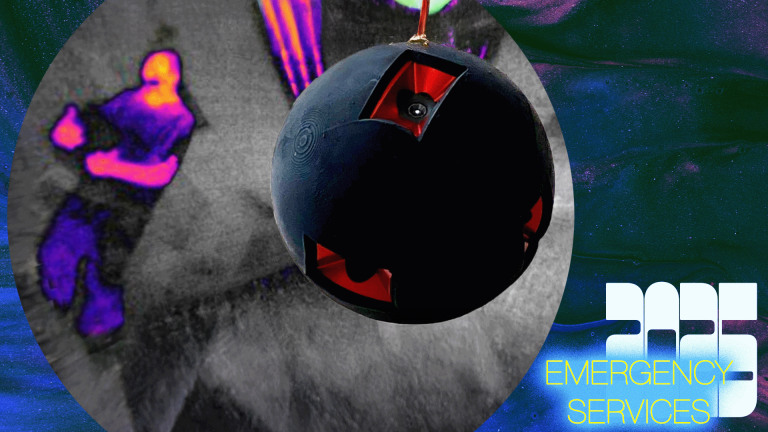
The Pit Viper 360 by Bounce Imaging gives first responders a safe way to see dangerous spaces before entering them. The device is a throwable camera that captures 360-degree video and thermal images, letting police, firefighters, and rescue teams assess rooms, collapsed buildings, or hazardous areas in real time. By revealing threats such as armed suspects, structural dangers, or trapped victims, it dramatically reduces risk during high-stress operations. Overall, Pit Viper 360 improves situational awareness, speeds up decision-making, and helps keep both responders and civilians safer.
National Emergency Response Information System (NERIS) by U.S. Fire Administration: Replacing legacy National Fire Incident Reporting System (NFIRS), offering advanced analytics and seamless interoperability

The National Emergency Response Information System (NERIS) modernizes how fire departments and emergency services across the U.S. collect, analyze, and share incident data. It replaces older, inconsistent reporting tools with a real-time, cloud-based system that gives agencies a clearer picture of trends like fires, medical calls, hazardous materials incidents, and disasters. With more accurate data on emergencies, from more sources available faster, communities can improve training, resource planning, and emergency response strategies, ultimately making people safer. NERIS also standardizes data across jurisdictions, creating a stronger national understanding of risks and helping guide federal support and policy decisions for the future.
Power X2 Ambulance Cot and Power F2 Fastening System by Ferno Norden: Advancing the future of emergency medical services
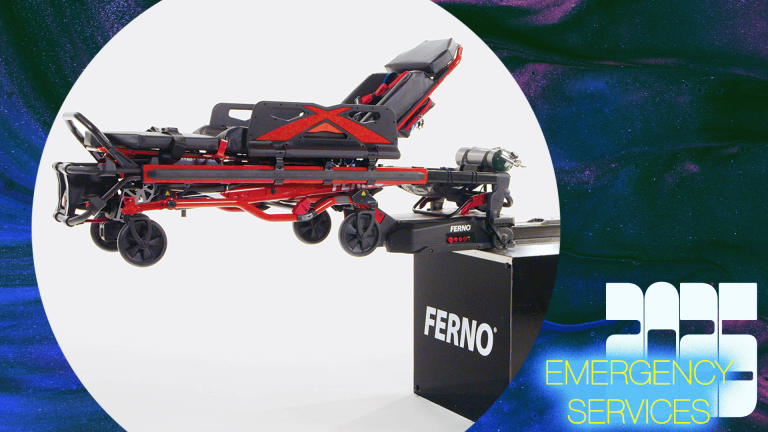
The Power X2 Ambulance Cot and Power F2 Fastening System by Ferno Norden greatly improve safety, efficiency, and ergonomics in emergency medical transport. The Power X2 is a powered, lift-assist ambulance cot that reduces the heavy lifting normally required of EMTs, helping prevent back injuries and speeding up patient loading. Paired with it, the Power F2 Fastening System automatically locks and secures the cot inside the ambulance, ensuring stable, crash-tested transport without extra manual steps. Together, these systems make patient handling smoother, safer, and faster for both caregivers and patients—an important upgrade for modern EMS operations.
Auto
The automotive industry seems to have taken an interesting turn in 2025, meandering along a side road with unclear signage toward the future. Automakers are still making EVs, though some have slowed plans and production. Concepts are still emerging with gas, hybrid, and battery-electric power. In turn, technology is shifting in innovative and unexpected ways. Who had a road testing app on their bingo card? Others, like Volvo, are coming up with ways to improve what’s already in the field with engineering it helped pioneer. Coming up in 2026 and beyond, we expect to see more from automakers like Scout and powersport manufacturers like Can-Am and Polaris on the recreational front. Meanwhile, here’s our list of automotive innovations worth a look.
Grand Award Winner, Auto
Greentell Brakes by Brembo: Bye bye, brake dust. Hello, longer-lasting brakes

Probably for as long as brakes have been in existence, the resulting dust created by friction has been a problem. Brake particulate emissions are a target of the European Union, with the new Euro 7 standards to cap brake particle emissions with a range of 3 to 11 milligrams per kilometer, with a plan in place to drop itto 3 milligrams per kilometer by 2035. Brembo’s Greentell system adds a proprietary layer on its rotors that the company says can reduce particle emissions by up to 90 percent compared to uncoated cast-iron rotors. The manufacturer etches its logo or the automaker’s logo on the disc, which helps drivers see when it’s time for maintenence—when the etching fades away, a new rotor is required.
Adaptive seat belts by Volvo: At long last, seat belts that truly fit

Sweden-based automaker Volvo is well versed in the world of seat belts. After all, Volvo engineer Nils Bohlin perfected the modern three-point safety belt in 1959 and the patent was shared with other automakers to use. This year, the company launched a brand-new “multi-adaptive safety belt” that adjusts to the driver/passenger by height, weight, and seating position, to be included in the upcoming EX60 EV. By expanding the load limiter on the seat belt, Volvo says there will be fewer injuries. Further, the company can continue to update the technology via over-the-air updates to the vehicle. Hopefully, other manufacturers will take the hint.
Automated Road Test System (ARTS) by QTPIE: No more riding with strangers to get a driver’s license

The dreaded road test for new drivers is getting a new twist for 2025 with another Sweden-based company called QTPIE. This firm’s Automated Road Test System (ARTS) is designed using advanced eye movement analysis combined with the basic principles of an autonomous car, using a smartphone as a guide. Using both cameras on a smartphone, AI instructs the driver at each step, objectively measuring driving skill based on preset metrics and generating a driver safety score, report, and collection of video segments showing driver error. ARTS is currently used in an extended pilot program in Virginia, and eventually, QTPIE CEO Ravi Chadalavada says, new drivers will learn how to drive properly through the app even before the test itself. Of course, then they won’t have to sweat it out next to a sometimes-intimidating DMV examiner.
Flexible manufacturing by Honda: A smart pivoting option as America weighs its powertrain direction

Recently in the US, consumers have displayed an off-again, on-again love affair with electric vehicles. Whipsawing tariffs and the elimination of an attractive tax incentive for EV buyers have turned the spigot to lukewarm for the time being, and some automakers are scrambling to adjust. Not Honda, however. The company has invested more than $1 billion in its Marysville, Anna, and East Liberty plants in Ohio to build its internal combustion vehicles on the same line as its EVs and hybrids. In August, Honda senior managing executive officer Katsushi Inoue said the brand is planning to increase hybrid and ICE models to meet the needs of its customers. With an assembly line designed to pivot quickly, Honda and Acura are less likely to see a shortage, or possibly worse—overproduction.
The Donut Motor by Donut Lab: Enabling lighter, cheaper, and more powerful electric machines

Finland-based technology company Donut Lab’s claim to fame is that its Donut Motor is the world’s most efficient in-wheel electric motor. Who cares? For starters, the power-to-weight ratio is comparable—even better, on paper—than Koenigsegg’s “Dark Matter” motor. Ultimately, the bakery-treat-shaped motor is integrated directly with the tire, which results in lighter, more economical, and easier to manufacture vehicles. Verge Motorcycles (of which Donut Labs is a subsidiary) is using Donut Motors in its all-electric motorcycles. Donut plans to scale up and down from there, using its motors in machines as small as a drone or as large as a semi-truck.
Home
When you live with small annoyances, frustration can build over time. You can only catch your belt loop on a drawer handle so many times before you hit your limit. Several of this year’s home innovations address those seemingly small hurdles that can make a big difference in your home life. The monthly chore of replacing an air filter and the seemingly simple task of finding a place to store the lawn mower when not in use get clever solutions. Our grand award winner adds an unprecedented level of accessibility to dishwashers without requiring an entirely new appliance. Living life as usual in your home is a privilege and these innovations help ensure that’s possible.
Grand Award Winner, Home
Spin&Load rack by Whirlpool: A dishwasher lower rack that actually comes to you
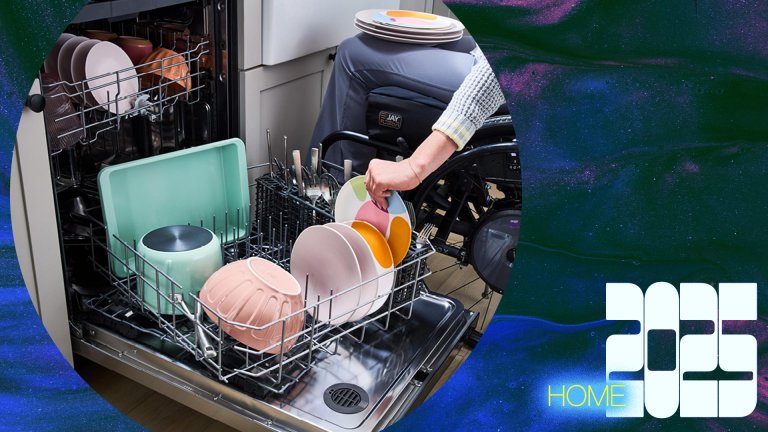
Whirlpool’s Spin&Load rack replaces the typical fixed lower dishwasher rack with a platform that rotates a full 360 degrees, so every plate and pot remains reachable from any side. The accessory drops into standard 24-inch built-in dishwashers across Whirlpool’s brands and spins on a central hub, which means users no longer have to lean deep into the machine or shuffle around the open door just to grab the pan in the back. The rack was developed with the United Spinal Association as well as Whirlpool’s internal advocacy group. The final product was tested with wheelchair users, aiming to make loading and unloading realistic for people with limited reach or balance, not just idealized demo kitchens. It’s also compatible with most of the brand’s standard dishwasher models manufactured after 2018, which makes a much more affordable and environmentally friendly alternative to replacing an entire appliance.
RMA 448 V lawn mower by Stihl: A one-sided handle that simplifies bagging and storage

Stihl’s RMA 448 V battery mower uses a unique-looking handle: instead of the usual two bars, it has a single offset post that leaves the back of the deck completely open. That small change makes it easier to lift out the 13.7-gallon grass bag, flip the integrated mulch flap, or adjust the cutting height without threading your arms around metal tubing. More importantly, the handle folds flat for storing the mower against a wall in tight storage spaces. Despite its foldable stature, It’s still a full-size, self-propelled 19-inch mower with weather-resistant construction and ECO mode to stretch runtime. But the real advantage comes in its streamlined ease of use, because accessories and features aren’t worth having if they’re too annoying to use.
Dyson HushJet Purifier Compact: Jet-style airflow without the jet-engine noise
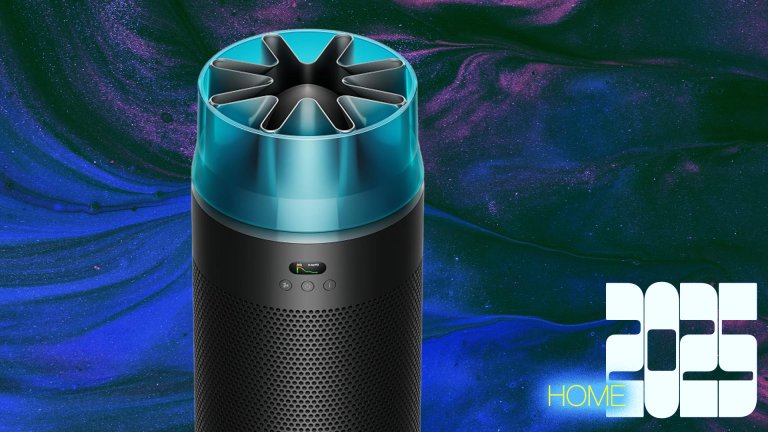
The HushJet Purifier Compact shrinks Dyson’s bladeless air-multiplier idea into a purifier small enough for a bedroom or home office, then reworks the nozzle to keep things extremely quiet. The uniquely shaped port pulls in room air and pushes it through an electrostatic HEPA filter plus activated carbon, capturing 99.97% of particles down to 0.3 microns and common gases. It’s strong suction, but, in night mode, noise drops to around 24 dBA. That’s about as loud as a typical whisper. It’s sized for roughly 200 square feet, runs off about 7 pounds of hardware, and uses a sealed filter rated for up to five years, which cuts down on replacement waste and recurring cost. It’s quiet enough and requires so little maintenance that you don’t have to think about it and that’s the way we like it.
Solar Roof Tiles by Jackery: Curved crystalline panels that behave like actual roofing

Jackery’s Solar Roof replaces bolt-on panels with curved tiles that function as both roofing and photovoltaics. Each XBC tile uses a 0.13 mm-thick crystalline silicon cell bent into a 150-degree “smile” shape, delivering over 25% efficiency and around 38 watts per tile—about 170 watts per square meter—while matching the profile of clay or concrete tiles in black or terracotta. The system is rated for hail, high winds, and temperatures from –40°F to 185°F, with a 30-year warranty and integration into Jackery’s home storage gear for whole-house backup. By treating solar as part of the building envelope instead of a separate rack, it aims to make the system acceptable to homeowners’ associations and aesthetics-conscious owners who would otherwise skip rooftop solar—an important barrier if residential rooftops are going to contribute meaningfully to decarbonizing the grid.
Refillable Air Filter Kit by Filtrete: A reusable HVAC frame with collapsible refills
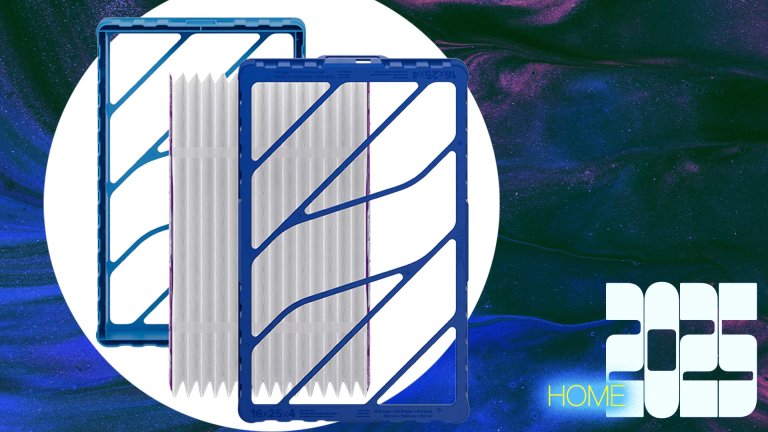
Filtrete’s Refillable Air Filter Kit replaces the usual one-piece furnace filter with a rigid frame designed to live in your HVAC system for up to 20 years and thin “refill” elements that slide in and out. Each MPR 1550 refill lasts up to 12 months, comes folded to take up 75 percent less space, and captures substantially more fine particles than basic filters while generating about 20% less waste over the frame’s life. The kit ships in curbside-recyclable packaging, and Filtrete’s app can nudge you when it’s time to swap the media, which addresses the very human tendency to forget about filters until airflow drops. Given how many homes now rely on forced-air systems for both heating and cooling, a design that cuts bulk trash and encourages longer, more consistent filtration is a small but concrete improvement in how we manage indoor air and HVAC waste.
Sports & Outdoors
It’s no big secret that spending time in the great outdoors is good for our bodies and minds. For 2025, our Sports & Outdoors innovations make getting outside more accessible and safer. Our top prize winner Mimikai insect repellant is a safe and effective way to keep dangerous insects like ticks and mosquitoes from biting you while on that hike, without the harmful chemicals. Other exciting developments this year include a compostable sneaker, a screen that makes working on a computer outside during the day much easier, a highly versatile kit for mountain climbing, and a new bike helmet that can help prevent dangerous concussions.
Grand Award Winner, Sports & Outdoors
Mimikai Insect Repellent by Mimikai: The first biomimicry insect repellent
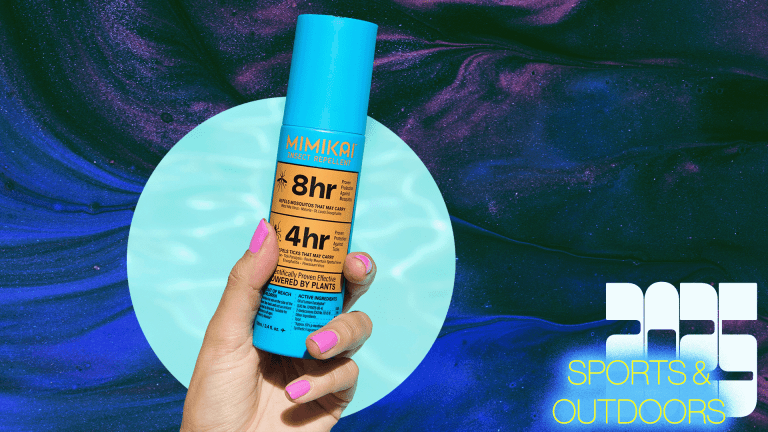
Most spray-on bug repellents are a sticky cocktail of nasty chemicals. Mimikai is different. The first new EPA-registered insect repellent in 25 years, the biomimicry-based Mimikai mosquito and tick-repelling spray and mist is free of harsh chemicals. But it’s as effective as DEET. After seven years of testing, not only does it meet the highest safety standards, but it’s effective for hours, and it doesn’t feel sticky on your skin. Mimikai blends methyl nonyl ketone, aka 2-undecanone, a naturally occurring compound found in wild tomatoes, bananas, cloves, ginger, and guava, with oil of lemon eucalyptus, soybean oil, and other skin-friendly ingredients. We’ve been testing it against biting bugs and insects in Vermont all summer, and we’re impressed with this non-toxic, effective alternative to traditional pesticides.
Fade 101 by Solk: A sneaker that’s beautiful, holds up, and won’t poison the planet

Footwear is notoriously toxic, both when it’s made and when its useful life is over. Foams and leathers don’t break down once shoes and boots are discarded. Eco-friendly alternatives lack structure and durability, and most don’t look stylish or feel comfortable. Veteran footwear designers David Solk and Irmi Kreuzer started Solk to make shoes that wouldn’t cause harm to the environment. Designed and built with a combo of traditional crafting and AI, every fiber, stitch, material choice, and end-of-life consideration has one goal: to be harmless to our environment. There is no rigorous zero-impact certification, so Solk created its own stringent standard that tests for 200 toxins. Materials include a 100% compostable foam midsole—other shoes use EVA, which won’t decompose for millennia—and leathers tanned without toxic forever chemicals that can decompose in a landfill. The shoes are beautiful, durable, and compostable.
Advanced Mountain Kit by The North Face: The most versatile high alpine clothing

High-altitude mountaineers have historically dressed in cumbersome, Gumby-like down suits for summiting 8000-meter peaks. They were sweaty on the approach, expensive, and task-specific. The North Face’s new 24-piece Advanced Mountain Apparel Collection, which is part of a 31-piece Advanced Mountain Kit–provides elite athletes with the same extreme weather protection for climbing the world’s highest peaks, in a kit that can be used comfortably for mountain missions, including 8000-meter peaks, in a variety of weather in a range of altitudes. The kit is comprised of layers purpose-built for technical alpine climbing and mountaineering in all weather, including high-altitude environments. It’s a modular system. Each layer enhances the performance of others to help elite athletes succeed, whatever their objective. Lightweight, compressible to take up minimal packed space, and tough, the kit is built with cutting-edge fabrics, construction, and design, including Spectra yarns that are stronger than steel yet lightweight, and continuous baffle Cloud Down that eliminates cold spots and optimizes packability. DotKnit fabric marries the thermal and odor benefits of wool with active moisture transfer. The shell jacket and pants use an electrospun breathable membrane, and the down layers are infused with titanium and aluminum that reflects body heat.
Daylight DC-1 by Daylight Computer: The first computer designed to be used outdoors

Staring into our phones, tablets, and computers produces a lot of stress on our eyes and brains, whereas e-readers like the Kindle offer a gentler option for screentime. However, these e-readers generally don’t have the processing power necessary to make them as useful as a regular tablet or computer. The Daylight Computer splits the difference. Its monochrome tablet uses transflective LCDs in a patented fastest e-paper display ever that unlocks full computer functionality with the glare-free reflective display, which makes it ideal for working outdoors. The tablet is low-stimulation because there are no bright and saturated colors, fast-paced flashing, or brain-agitating blue light, so it’s not addictive like other phones, tablets, and computers. It won’t disrupt your sleep or put you in a negative feedback dopamine desensitization loop. The display stack feels paper-like, and it’s fast enough to be used for anything on the internet. That makes this a great tablet for kids, who are especially susceptible to the addictive properties of other devices.
Deflectr RLS Bike Helmet by Canyon: The most effective brain-protective helmet system is on the outside
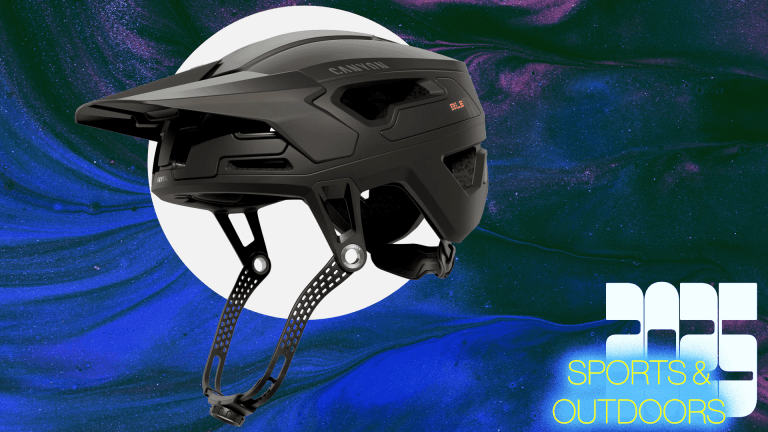
Most bike helmets use expanded polystyrene (EPS) foam to absorb blunt impacts, but EPS is bad at dispersing the rotational forces that cause traumatic brain injury in a crash. RLS is a pioneering safety breakthrough that diffuses the rotational forces that can cause traumatic brain injury through exterior panels that slide on ball bearings, then release in a crash, taking stress off a cyclist’s brain. The outer shell panels rotate on 1500 tiny polycarbonate bearings on a vinyl sticker shell base. In a crash, mechanical fasteners release, allowing the bearings to roll freely and the outer shell to slide away, dissipating energy with concussion-level force applied to the shell. Then the bearings can roll freely, and the outer shell can slide away. That allows the brain time to decelerate inside the skull, minimizing internal damage when the helmet contacts the ground. Eventually, the RLS technology will be available for motorcycle, industrial, equestrian, snow, American football, and other sports and activities in entry-level to advanced helmets. According to Virginia Tech testing, the gold standard for cycling helmets, the tech works. This helmet is currently rated #1 safest cycling helmet you can buy.
Engineering
Grand Award Winner, Engineering
Superwood by InventWood: Stronger than steel and 6 times lighter, no blast furnace required

Steel is responsible for roughly 8 percent of greenhouse gas emissions, but is so reliable that builders don’t want to go without.
Researcher Liangbing Hu found a new approach to this problem through serendipity. As a young researcher at UCLA and then Stanford, Hu was trying to figure out how to assemble batteries out of carbon nanotubes—but finding that constructing at the nanoscale was challenging and expensive. He had an “aha!” moment looking at wood fibers, realizing that the nanofibers within wood cells are about 100 times as strong as regular wood. And in terms of scaling up efficiently and in a way that sequesters carbon? Just grow a tree.
Hu devised a chemical bath to remove the lignin that holds the cellulose in wood together. By then heating the resulting fibers, he was able to compress the wood by roughly 80 percent of its original thickness, using his knowledge of the nanoscale. He collapsed the internal structure in a way that eliminated weaknesses and strengthened bonds. (You can think of it as getting rid of all of the space inside the wood fiber.) His process also darkens the wood, and renders the material stronger than steel, not to mention six times lighter. The result is Superwood.
Experts question whether the famously risk-averse construction industry will embrace such a radical replacement for steel, and not without reason. If you’re building a $2 billion skyscraper, would you want to tell your lender that you’re rolling the dice on treated wood without a decades-long safety record?
But Alex Lau, CEO of InventWood, the company that licensed Hu’s discovery, says that once the company scales up, he aims to sell Superwood at half the price of steel. But for now, he will win hearts and minds in the construction industry by first targeting the wood-friendly markets for decking and roof materials, before moving in on structural elements and Superwood-optimized buildings. And then there are the environmental benefits. Superwood can be made out of many different kinds of tree—you can even make the stuff out of the roughly 10 to 20 percent of forestry products that are discarded as the wrong species, or the 40 percent of sawmill wood deemed non-premium that would otherwise be chipped or burnt. Lau says he can displace half of US steel demand, or 50 millions tons, with just 12.5 million tons of Superwood. That sounds like a lot, but he points out we send that much waste wood to the landfill each year—and there are 14 million tons of excess capacity wood in Southern lumber mills.
Sand Battery by Polar Night Energy: An industrial-scale thermal battery out of sand to avoid fires and mining pollution
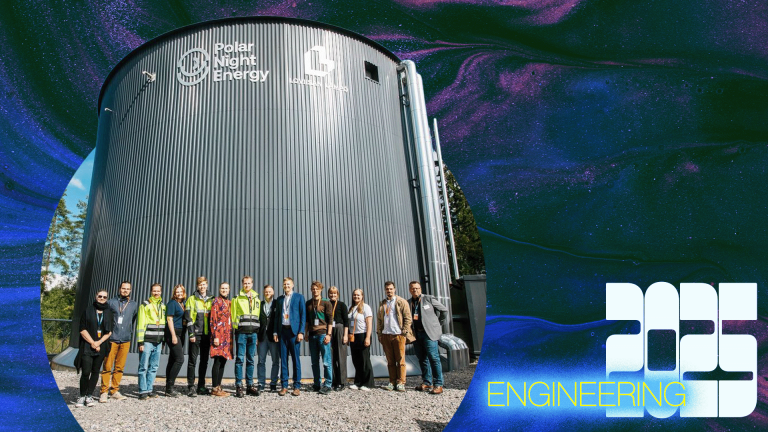
Industrial-scale batteries provide one way to keep renewable power going when the wind stops blowing or the sun stops shining. But manufacturing batteries from lithium, cobalt, or iron has a significant greenhouse gas footprint and can also lead to metal and water pollution.
A Finnish company called Polar Night Energy is tackling the intermittency problem by upcycling crushed soapstone, a byproduct from a local fireplace factory, to create the largest sand battery in the world. Instead of storing electricity, this thermal battery stores heat in a roughly 43-by-49-foot insulated steel cylinder. The system takes excess electricity from the grid to heat up the sand. Then, pipes built into the battery direct cold air in, allow heat to transfer from the sand, and then send hot air out, at temperatures between 140 and 752 degrees F. The hot air can then be used to make steam for industrial processes, or to warm up buildings or water. Unlike conventional batteries that become less efficient over time, the sand does not degrade, and the battery has an expected useful life of 30 years. And unlike lithium-ion batteries (or oil refineries), the sand will never catch on fire.
Though using hot sand as a battery is an ancient idea, the tool is modern and industrially rated, storing up to 100 MWh of energy for months at a time. This is enough for a month of heat demand in the battery’s small hometown of Pornainen, and a week during the icy Finnish winter.
And this is just the first industrial-scale project from Polar Night Energy; the company plans to compete with lithium-ion batteries for certain industrial applications at smaller sizes—between 2 MW and 10 MW—across Europe. The cost per stored kilowatt hour is lower too, though high upfront costs and builders who don’t like unfamiliar tech are obstacles. Nearly 40 percent of industrial applications for heat are in the sand battery’s temperature range.
Willow Quantum by Google: A chip that actually makes fewer errors as the number of physical qubits increases

Error correction is a crucial feature in any computer chip, and it’s even more important in quantum computers. That’s because minor material glitches, changes in temperature, and even cosmic rays can alter the way the computing entities known as qubits store or transmit information.
Google logged a major milestone in the road to an actually practical quantum computer with a new approach to quantum-error correction. With a new machine called Willow, Google has created a 105-qubit machine with the unprecedented ability to reduce errors even as the number of qubits in operation increases. Because qubits are inherently error-prone, traditionally, the more qubits in a chip, the greater the likelihood of a glitch. By placing qubits assigned to store data in a grid with error-correcting qubits, the Google research team was able to actually make the number of errors go down even as the number of qubits increased. That means that the 7-by-7 array had better error correction than the 3-by-3—an unprecedented achievement. Google reports that Willow completed a benchmark number test in five minutes that would have taken a conventional “classical” supercomputer 10 septillion years—that’s older than the age of the universe. And that points to the power of unleashing quantum effects on problems.
It’s not all puppies and rainbows in quantum land, however, where research computers typically start at a million dollars yet can’t solve any real problems. But they won’t be able to without robust error correction, and so Willow is a dramatic step forward.
Populus Hotel by Urban Villages/Studio Gang: an Eco-Hotel That Takes Sustainability Seriously and Looks Like an Aspen Tree

With windows inspired by the black “eyes” in white Aspen trees made when branches fall off, Populus is more than just a curvilinear visual feast: The shading also helps reduce the amount of heat the building takes in the summer.
The ample use of timber in construction reduces (but doesn’t eliminate) the need for carbon-intensive concrete in construction. The builder used a special lower-carbon concrete containing the coal waste product known as fly ash, which resulted in 30 percent less emitted carbon than conventional concrete. There is an on-site digester that converts food waste into compost. Plus, there is no on-site parking, both to reduce the need for cement and reinforced steel, and to incentivize the use of transit and ride-sharing.
The hotel has sponsored the planting of 70,000 thousand trees in Colorado to offset the carbon footprint of materials, and then purchased other carbon offset. (In part, because most of the tree seedlings died due to drought and a beetle infestation). They also buy wind energy credits from their electric company. In an online dashboard, the hotel says it has already sequestered 116 percent of the carbon that was released during construction and ongoing operations.
University of Colorado environmental studies professor Joel Hartter is not sure all of the claims pencil out. For example, he points out that offsets are like paying someone else to eat vegetables so that you can keep eating fast food. After all, the lowest-footprint solution would be to not build a beautiful wintry destination heated with methane to have people fly in to visit. But he doesn’t want to make the perfect the enemy of the good. He says the Populus Hotel helps show the tourism industry, which is badly in need of improvement, of what a commitment to sustainability requires. In comparison with a typical luxury hotel, it’s like looking at apples and oranges.
Delivery Zip by Zipline: An autonomous drone system safely winching burritos down into the front of Dallas homes
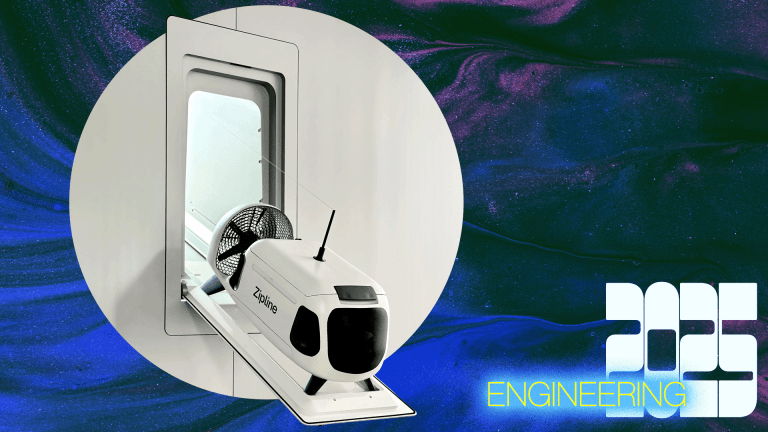
Drone-based delivery in a crowded urban area has long seemed too complicated and dangerous to undertake—but now it’s real, and starting to feel, well, normal. Beginning in April, Zipline began a service in which a 5-propeller drone copter collects a burrito or a smartwatch from retailers like Chipotle or Walmart by reeling up a robotic rectangular cargo vehicle called a “Delivery Zip.” The copter then flies autonomously to the customer location and winches down the Delivery Zip for delivery. Sounds like sci-fi, but Dallas-area senior citizens and single parents in particular love the new service. (The company reports serving “tens of thousands” of DFW customers). Around the world, Zipline has made over 1.85 million drone deliveries, and flown more than 120 million miles without a single serious injury. Those delivery numbers leave deep-pocketed competitors funded by Google and Amazon in the dust.
Zipline began delivering blood transfusions and then other medication in Rwanda in 2016, from the capital of Kigali to far-flung rural regions where roads were inaccessible. Among the results was 51 percent fewer deaths from postpartum hemorrhaging in facilities served by Zipline. Today, after expanding service to the Ivory Coast, Nigeria, Ghana, and Kenya, and with medical trials in the UK and the US, the company has delivered more than 25 million doses of vaccines. Zipline is rolling out retail and food delivery to various sub-regions of the Dallas-Fort Worth area—there are 20 and counting as of press time. The first-generation Zipline platform used a fixed wing drone that dropped medical supplies by parachute; the team invented the second-generation P2 platform with the Delivery Zip given the more precise landing requirements of a crowded city.
BOWN 2025 Credits:
Package Leads and Judges: Annie Colbert and Stan Horaczek
Editors, writers, and researchers: Laura Baisas, Berne Broudy, Annie Colbert, Julia Daye, Rachel Feltman, Alan Haburchak, Stan Horaczek, Jenni Miller, Andrew Rosenblum, Kristin Shaw
Fact checker: Alex Schwartz
Art Director: Tag Hartman-Simkins
The post The 50 greatest innovations of 2025 appeared first on Popular Science.
via Popular Science – New Technology, Science News, The Future Now https://www.popsci.com
December 10, 2025 at 06:00AM