https://www.autoblog.com/news/texas-rolls-out-digital-speed-limit-signs
Drivers in the state of Texas can no longer assume they know the roads well enough to stick with the speeds they’ve always done, as new variable speed limits are rolling out across the state. Digital speed limit signs are being installed to change the legal limit on certain roads after a deadly February 2021 crash, originally attributed to icy roads, raised safety concerns. A multi-car pileup took place on I-35W during an intense winter storm, and temperatures had fallen below freezing for over 36 hours with speed limits remaining at 75 mph, according to the National Transportation Safety Board’s report. Six died, and 36 were injured in an accident that spanned 1,100 feet on the North Tarrant Expressway.
Expect to See More Digital Signs Across the State
Naturally, a vehicle’s braking distance and handling change when the weather turns inclement and reduces traction, and these new variable limits aim to reduce the risks that drivers face when their vehicles become more difficult to control. The initiative began with a pilot program two years ago, after legislators approved the use of variable speed limits to change posted limits depending on road conditions. The idea is that people will be encouraged to drive more slowly when the weather turns bad, when there’s traffic up ahead, or when other hazards present themselves (roadworks, accidents, et cetera). Similar signs already exist in Colorado, Washington, Oregon, Minnesota, Florida, and several other states, using real-time data to adjust the limits in the hopes of improving safety and flow.
Related: Hennessey Reveals Why He Keeps Chasing Dangerous Speed Records
"If we’re not able to alter or modify the speed limit to reflect the current conditions, safety is in jeopardy," State Representative Terry Canales, author of the bill to authorize variable speed limits, told the Texas Tribune. The signs will start to appear on freeways already connected to the Intelligent Transportation System, which uses cameras and sensors to monitor conditions, readjusting the limits once conditions are deemed safe, reports Chron.
Meanwhile, in Arizona…
Getty Images
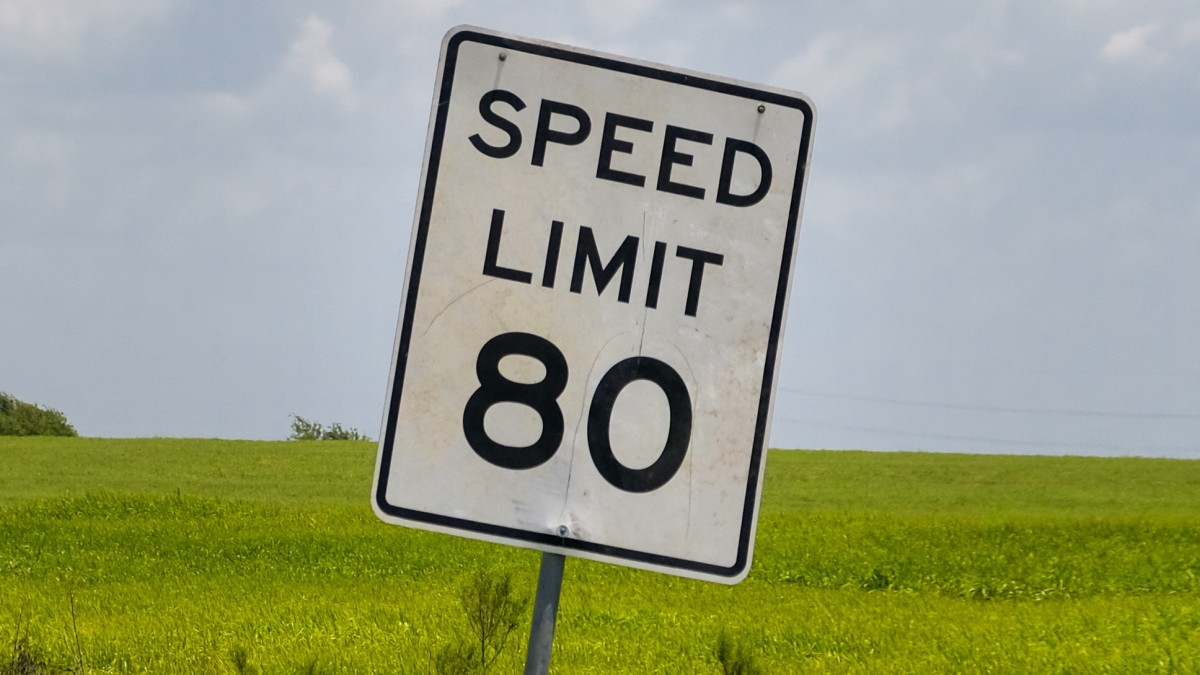
As Texas works to ensure speed limits suit the conditions, a new bill proposed by Arizona State Rep. Nick Kupper could remove them entirely — but only at certain times. The Reasonable and Prudent Interstate Driving (RAPID) Act endeavors to give the Arizona Department of Transportation the authority to create "derestricted speed zones" on certain rural interstates during daylight hours, with an 80-mph limit remaining in place after dark. The derestriction would also not apply to commercial vehicles, including semi trucks, and urban areas with populations over 50,000 people would remain restricted, too. A long list of requirements would need to be met, but like the implementation of variable limits in Texas, the idea is that this would help improve traffic flow and safety, though some argue that irresponsible individuals would abuse the Autobahn-like measure.
via Autoblog https://ift.tt/0onwCAU
December 30, 2025 at 01:26PM