
The Elusive V3 Engine
V3 engines are about as rare as unicorns, having made only sporadic appearances through motorcycling history. The first known example of such a layout, with two cylinders in one bank of the V and a single on the other, was created by German motorcycle manufacturer DKW in 1955 to power their two-stroke grand prix race bikes.
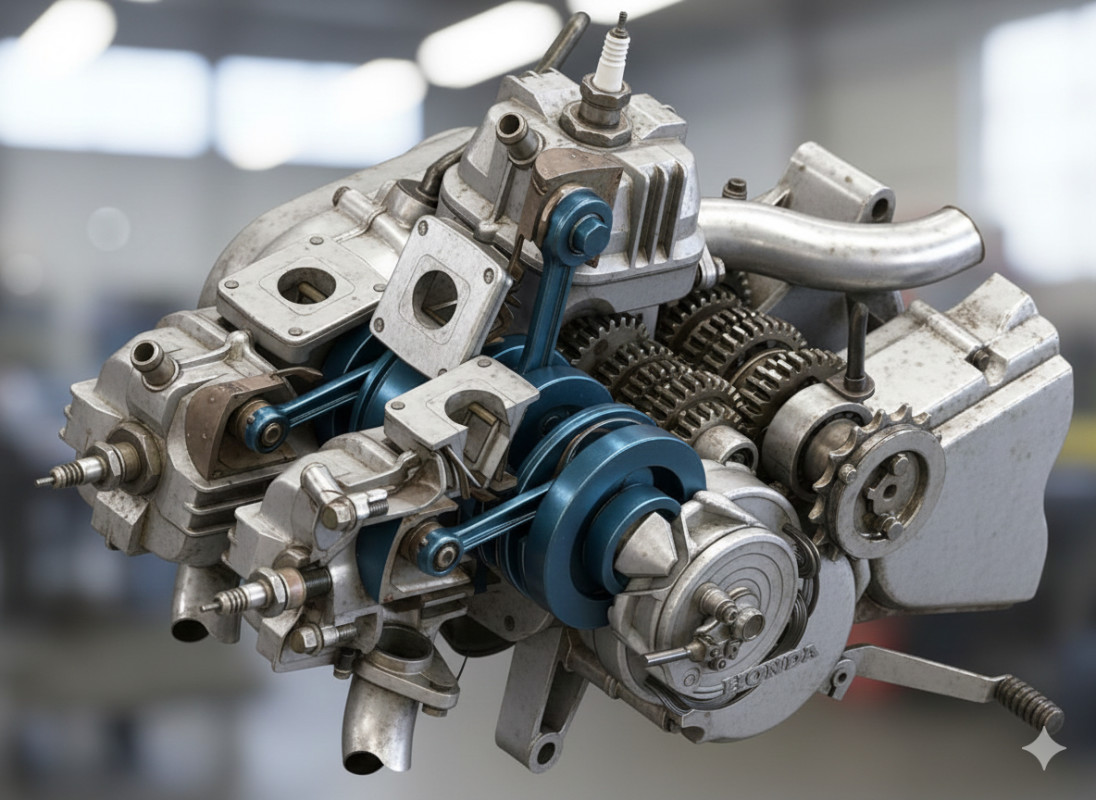
Suzuki dabbled in this configuration in the late ‘60s for a 50cc race bike that never saw the light of day due to regulation changes, after which V3 engines surfaced again only in the ‘80s, powering Honda’s 500cc two-stroke grand prix race machines from 1982 to 1984, as well as 250cc and 400cc road-going two-stroke models up to 1987. The compact V3 engine configuration then faded into obscurity and was replaced in subsequent decades by the extremely popular inline four and V4 layouts. Well, the elusive V3 is now all set to make a 21st-century return.
Honda
Honda Revives the V3 After Four Decades
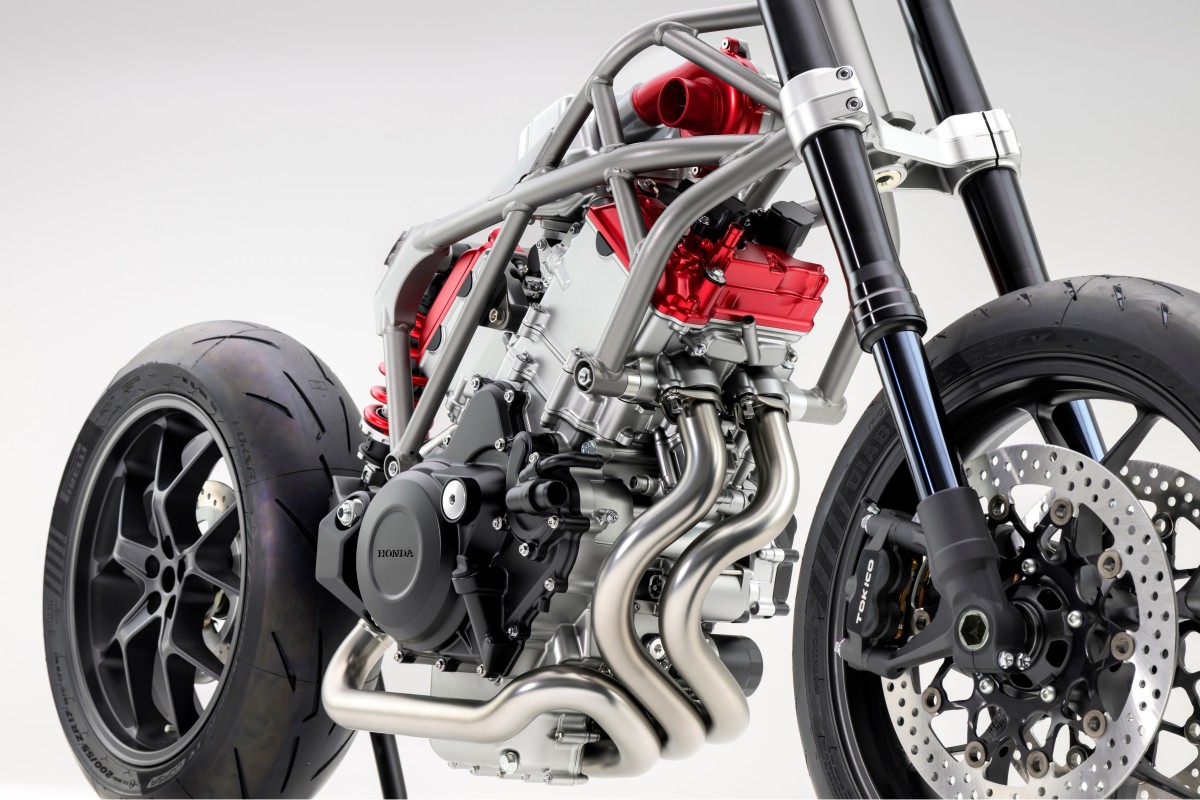
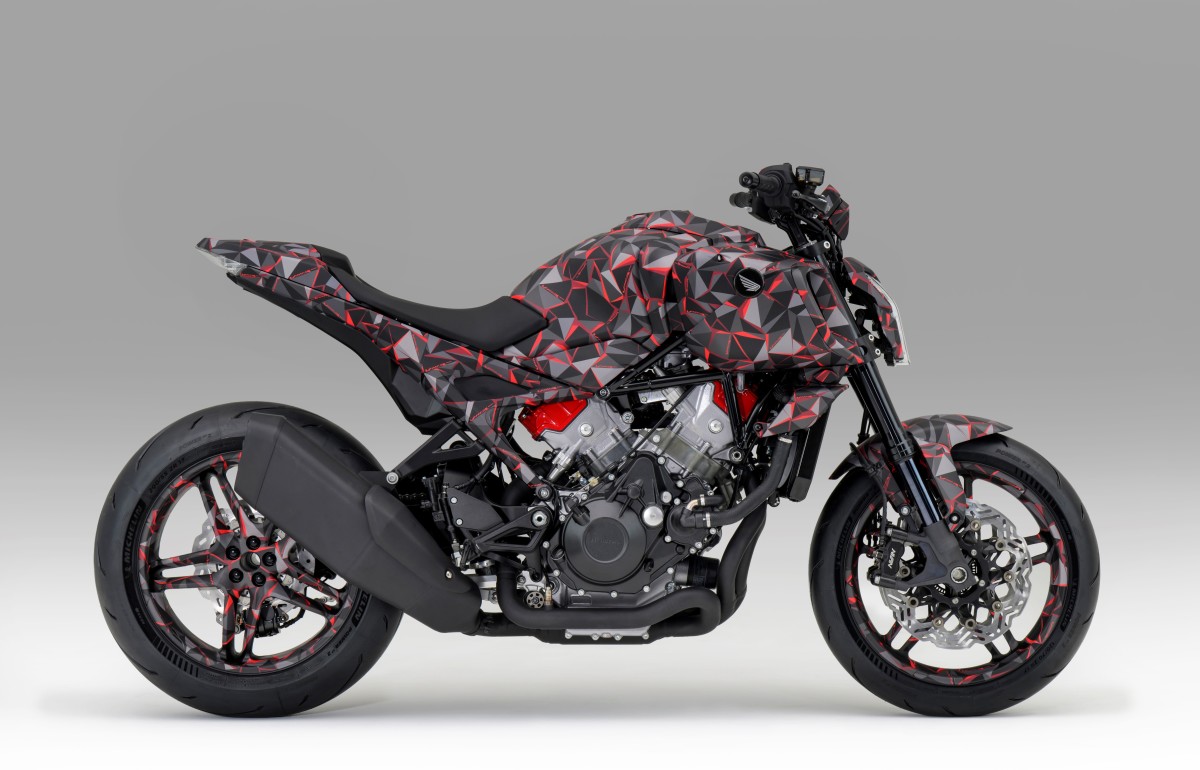
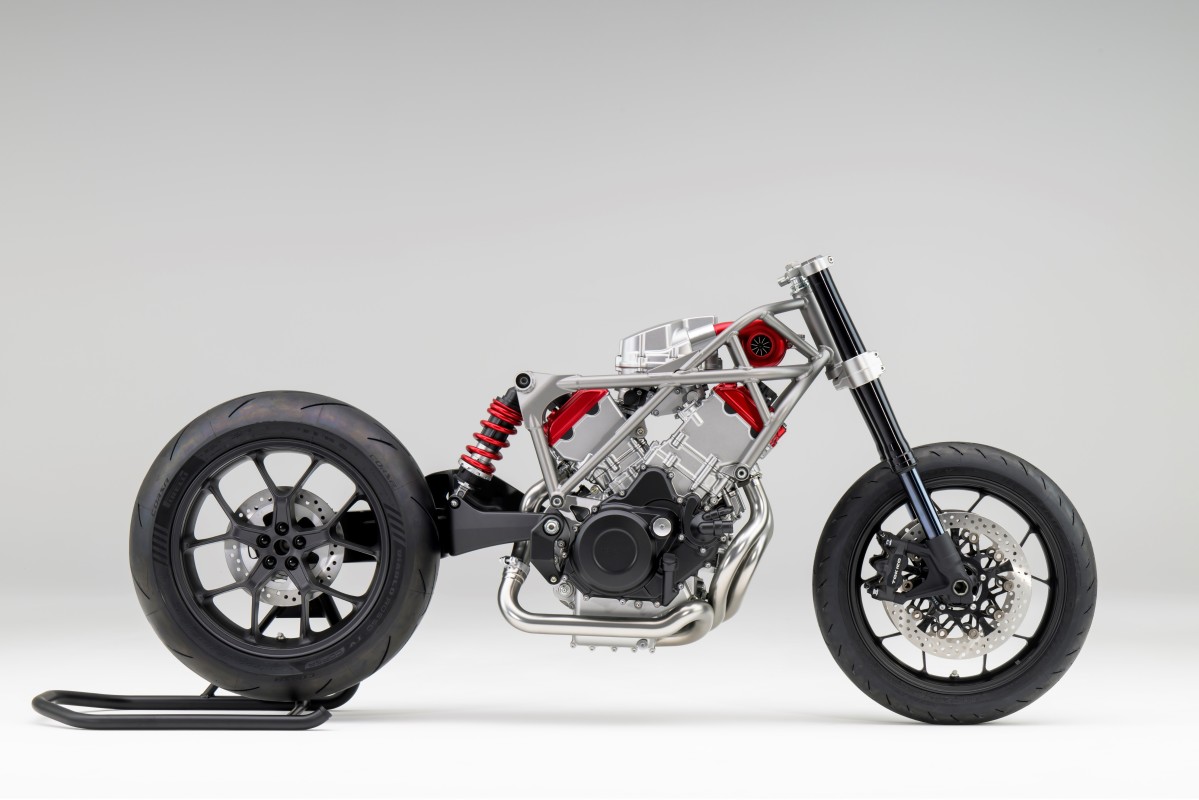
At last year’s EICMA, the annual Milan Motorcycle Show, Honda surprised us all with their latest innovation — a modern 75-degree V3 engine, equipped with forced induction. The engine was presented mounted within a steel trellis frame with an inverted fork up front, single-sided swingarm at the rear, and 17-inch alloy wheels shod with Pirelli tyres, all of which signalled sporty intentions for this platform. This year, the Japanese manufacturer has taken things a step further by presenting the camouflaged V3R 900 E-Compressor Prototype, indicating that a production version is closer than we initially thought.
What makes this motor special?
All previous V3 engines through history have been two-stroke. Honda’s latest creation is a liquid-cooled four-stroke, with a 75-degree angle between cylinder banks and a claimed capacity of 900cc. But what really stands out is the incorporation of forced induction, something rarely seen on motorcycles.
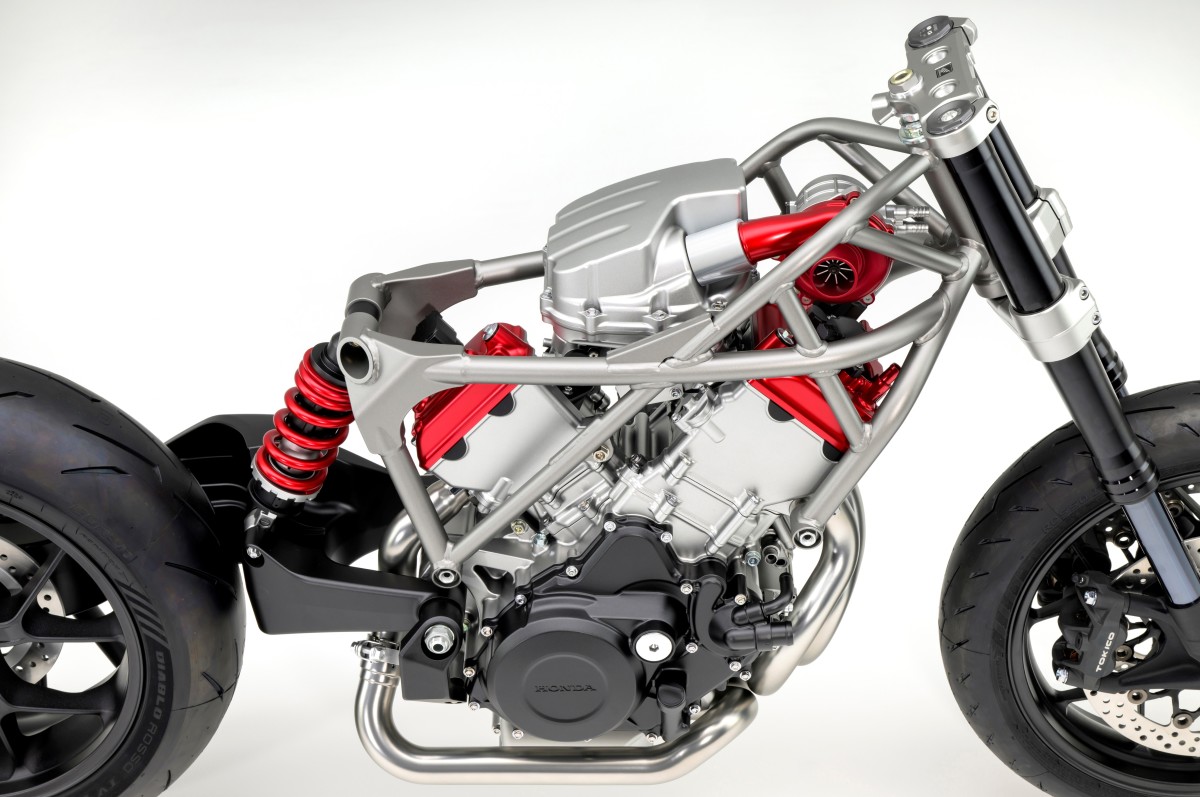
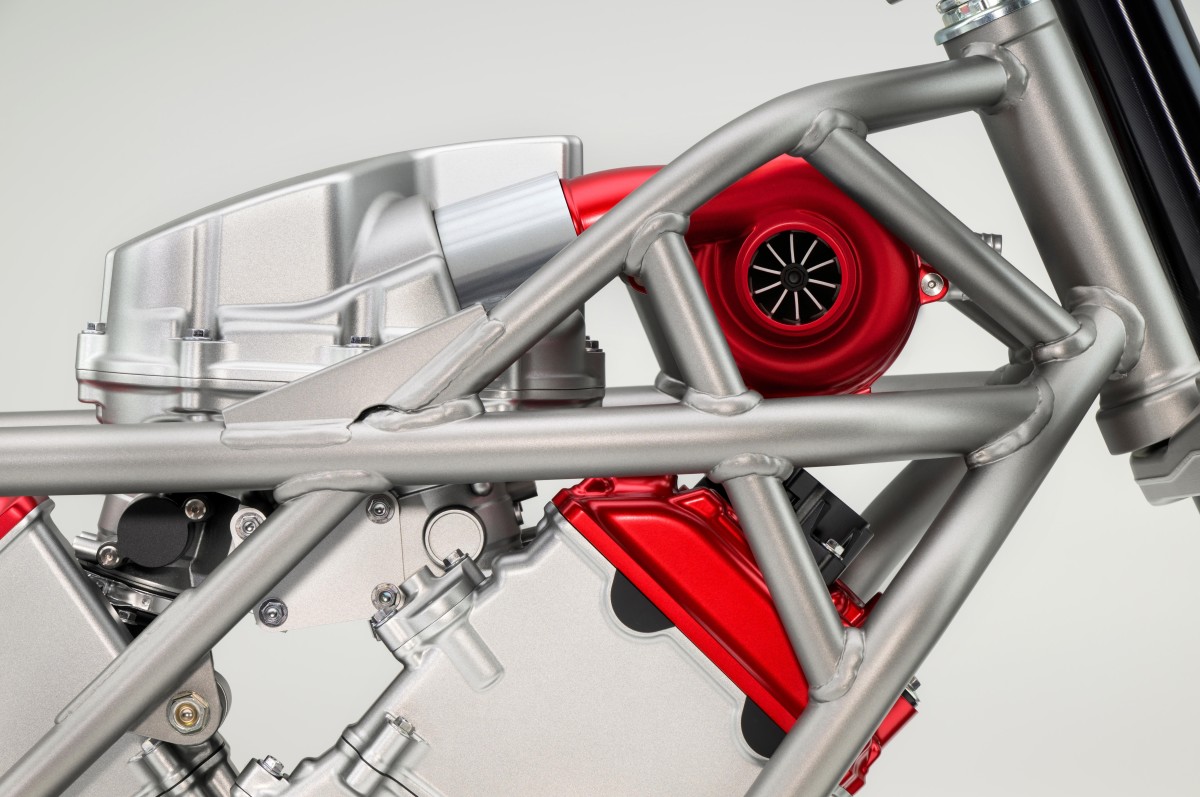
While the 1980s saw all the big four Japanese manufacturers create turbocharged bikes, this trend was short-lived, killed off by unpredictable power delivery due to lag, weight, complexity, and cost. The only mainstream forced induction motorcycles in the modern era are Kawasaki’s H2 series of supercharged inline-four machines. Honda is now looking to change this with their V3 creation that casts aside turbocharging and supercharging, and instead takes a novel approach to forced induction — an electronically-controlled compressor mounted atop the forward bank of cylinders feeding the airbox.
Why This Matters
Honda’s system allows boost pressures to be controlled independently of engine speed or exhaust gas velocity, meaning that the engine can deliver high torque even from low rpm. The ECU can instruct the compressor to spin up and help the engine produce the power being demanded by the rider’s right wrist at a moment’s notice, eliminating the lag associated with turbos and the parasitic losses of a supercharger, while saving a great deal of weight in the process. The whole motor is extremely well packaged and slim, and Honda claims that this compact 900cc three-cylinder motor will make as much power as a conventional naturally-aspirated 1,200cc motor, which we imagine to be in the region of 200 horsepower.
The Bottom Line
Honda has always been at the forefront of motorcycle engine innovation. They created the howling inline-six-cylinder CBX 1000, the oval-piston 32-valve V4 in the NR500 and NR750, and the highest revving production motorcycle engine ever — the little inline-four in the CBR250RR that screamed to 20,000 rpm. With most manufacturers today focused on building small, economical twins and developing EV technology, it seemed that the days of innovation in the internal combustion space were behind us, but here comes Honda to the rescue with something that the world hasn’t seen before. We can’t wait to see what they come up with next.
via Autoblog https://ift.tt/pMiExSN
December 14, 2025 at 07:30AM