
https://www.autoblog.com/news/the-bright-headlight-problem-crash-reports-cant-see
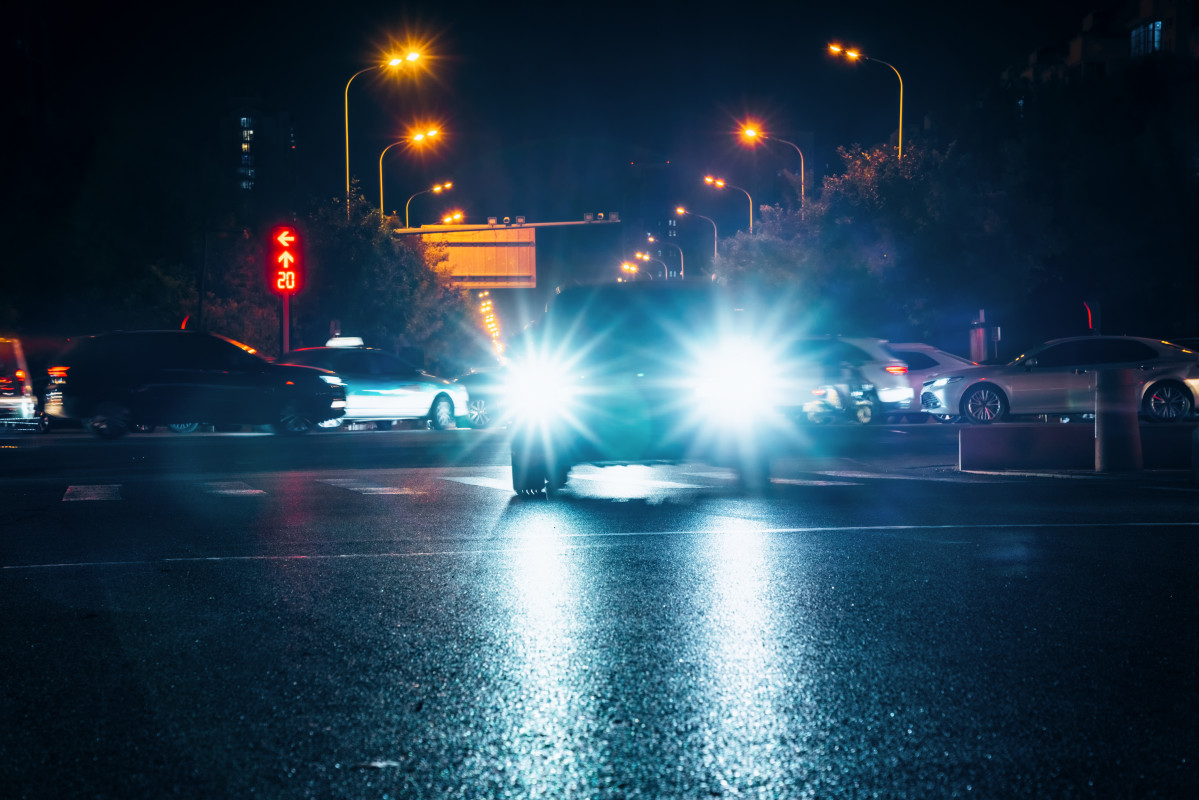
Anyone who has driven at night recently knows the feeling. An oncoming SUV crests the hill, its LED headlights blazing, and for a moment, the road ahead disappears entirely. You squint, you look away, and then you carry on, rattled and blinking. And yet, according to IIHS crash data, this experience barely exists. Lawmakers in both Canada and the United States have started paying attention to that experience, pushing for tighter regulation on headlight brightness in recent years. The public frustration is widespread and only growing louder.
The response from safety researchers, however, has been dim in contrast. The IIHS examined crash data from 2015 to 2023 across multiple states and found that glare was cited in only one or two out of every 1,000 nighttime crashes. The IIHS interpretation is clear enough: better illumination saves lives, and dialing it back to please annoyed commuters would create bigger problems than it solves. On its own terms, that argument is hard to dismiss. But it sidesteps a quieter issue that is accumulating its own body of evidence.
When the Harm Doesn’t Show Up in Crash Reports
The problem with measuring glare purely through collision data is that many of its most damaging effects never register as direct causes. Discomfort glare, by definition, does not directly impair visual performance in the same way that disability glare does. Instead, it produces subjective discomfort, fatigue, and annoyance, which can lead to behavioural adaptations such as looking away or excessive blinking. A driver who looks away from an oncoming vehicle to protect their eyes is not going to show up in a crash report as a glare statistic, even if the behaviour contributed to a near miss.
The Fatigue Link Researchers Are Quietly Building
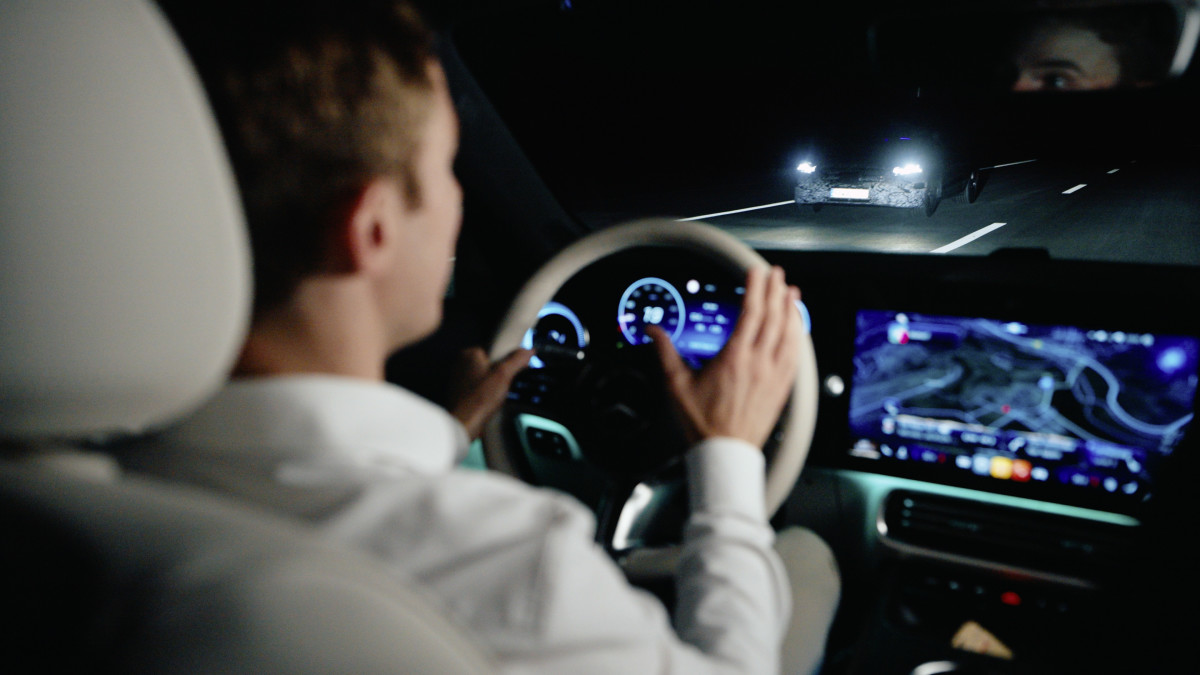
Research has found that exposure to headlamp illumination appears to have measurable impacts on driving behaviours associated with stress, distraction, and fatigue, including reductions in speed and lateral drift in lane position. In a large UK survey by the RAC and the College of Optometrists, nearly a fifth of motorists who still drive at night say bright headlights leave them feeling tired and fatigued while driving, while 16 percent reported headaches, migraines, or eye pain. Fatigue, of course, is among the most dangerous conditions a driver can be in, and it almost never gets attributed to oncoming headlights when a crash eventually occurs.
Mercedes-Benz
A Problem That Is Shrinking People’s Lives
Beyond fatigue, the scale of behavioural change being driven by headlight glare deserves more attention than a footnote in a crash report. RAC research shows that a quarter of drivers affected by glare are either driving less at night or have stopped altogether, rising to 43 percent among those aged 75 and above. Cognitive overload from dealing with glare forces drivers to divert attention away from where it needs to be.
In other words, the argument that glare is not meaningfully causing crashes may be technically accurate while completely missing what glare is actually doing to millions of people on the road every night. From elderly people losing independence to drivers feeling more fatigued at night than usual, the impact is real.
The IIHS is not wrong that better headlights save lives. But if the defence of brighter lights requires ignoring the fact that so many drivers are rearranging their lives around them, you might want to check whether the data is actually measuring the full cost, or just the parts that end up in a police report.
via Autoblog https://ift.tt/ws4PzUT
February 19, 2026 at 09:33AM