
Charge EV Batteries Faster Without Dying Out
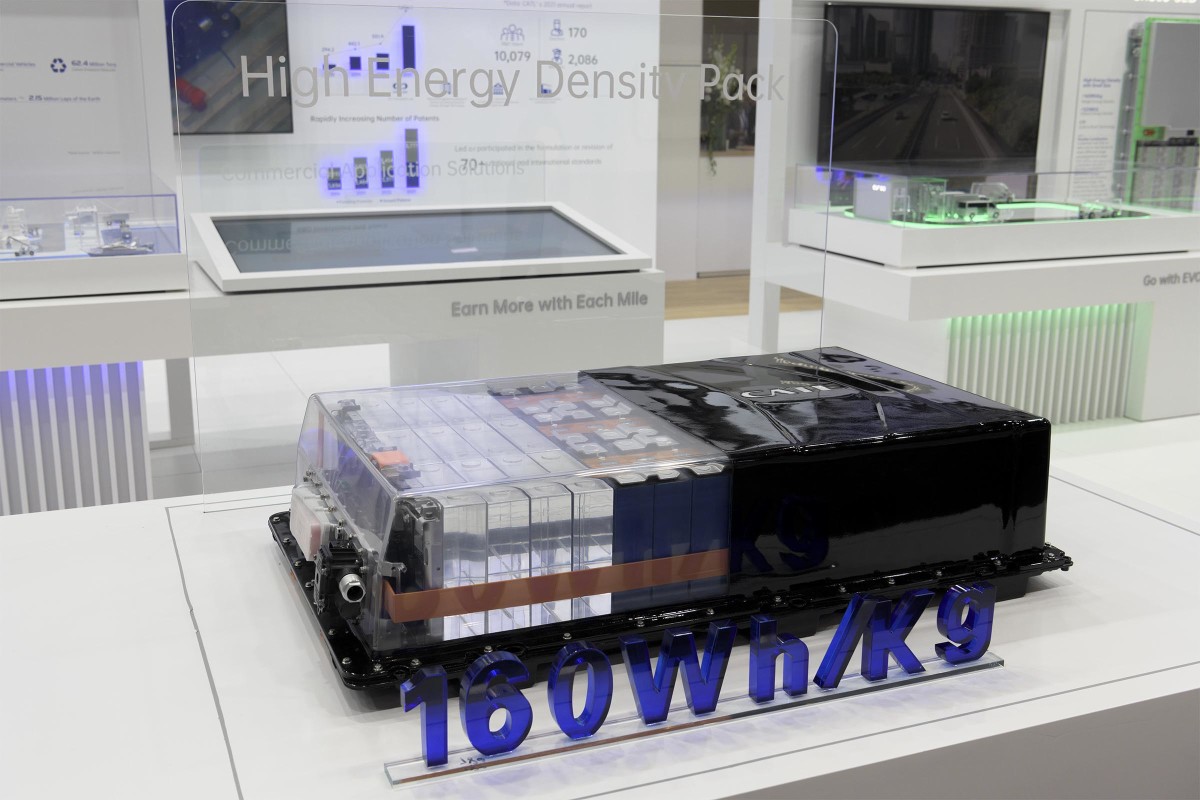
EV Battery manufacturer CATL says it has effectively addressed one of the biggest anxieties in EV ownership: battery degradation from repeated DC fast charging. According to a report from InsideEVs, the Chinese battery giant claims its new 5C lithium-ion cells can retain 80 percent of their capacity after 1,400 full charge-discharge cycles at 140 degrees Fahrenheit.
With a theoretical 372 miles of range per cycle, that equates to roughly 522,000 miles in what it describes as “Dubai summer heat.”
Under more moderate conditions of 68 degrees Fahrenheit, CATL says the same battery can endure 3,000 cycles and still maintain at least 80 percent capacity. That translates to 1.12 million miles. The improvements are attributed to a denser cathode coating to limit degradation, a repair additive in the electrolyte to seal micro-cracks and reduce lithium loss, and temperature-responsive agents within the separator. An upgraded battery management system can also direct cooling to specific hotspots, extending pack longevity. What CATL has not disclosed is timing, production partners, or real-world validation.
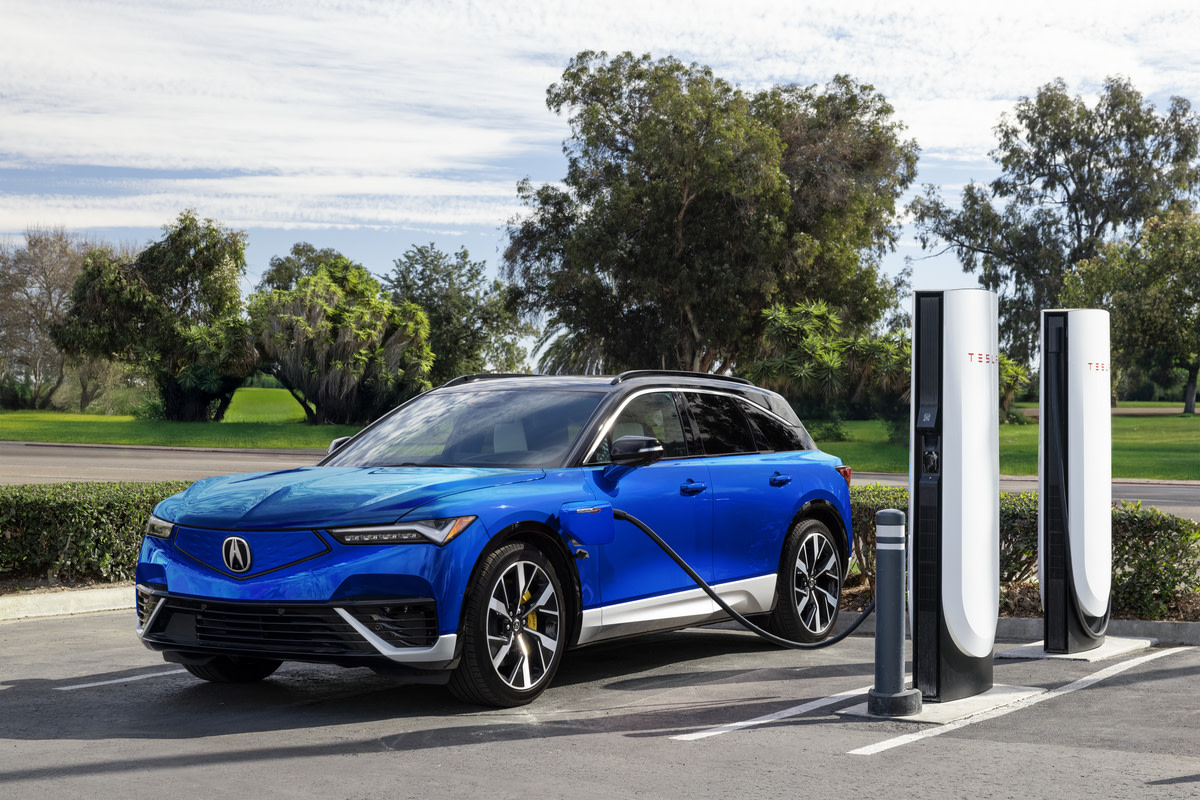
Acura
Fast Charging Has Always Been the Double-Edged Sword
Fast charging has long been one of the paradoxes of EV ownership. Consumers demand shorter charging times, yet repeated high-power DC charging is known to accelerate battery wear. Used EV listings often highlight “never fast charged” as a value proposition, underscoring lingering concerns. Replacing a degraded battery pack can cost tens of thousands of dollars, making long-term durability critical to resale value and total cost of ownership.
Automakers have aggressively pursued faster charging. Infrastructure upgrades, thermal innovations, and connector standardization have all contributed to faster charging. Toyota’s switch to Tesla’s NACS connector reportedly more than doubled fast-charging access and improved real-world usability.
Yet even when chargers advertise 350 kW or more, vehicles rarely sustain peak rates for long due to thermal and safety constraints. Misconceptions persist about how fast charging works, and some manufacturers have even cautioned owners against excessive use under certain conditions. In that context, CATL’s claim that routine 5C charging no longer compromises longevity is significant.
Solid-State Remains the Holy Grail
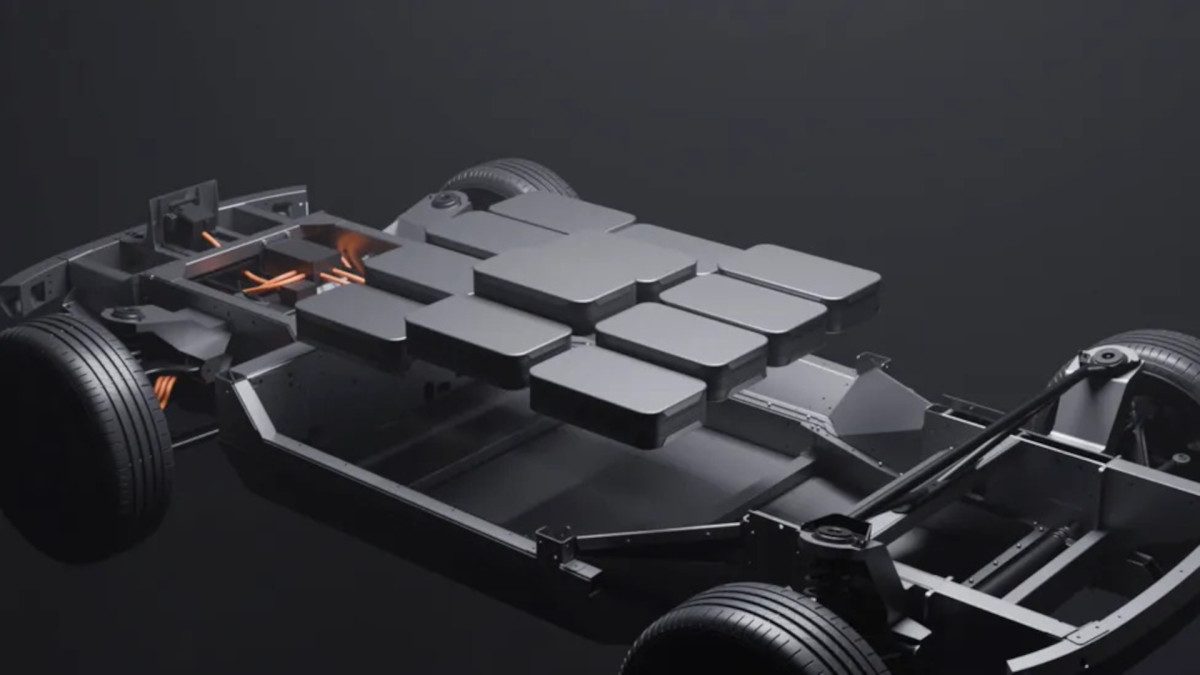
Despite CATL’s advances in conventional lithium-ion chemistry, solid-state batteries remain the industry’s holy grail. Promises of five-minute charging times, higher energy density, and improved safety continue to dominate research and investor narratives. A truly production-ready solid-state pack would theoretically deliver both ultra-fast charging and greater capacity without the same degradation mechanisms inherent in liquid electrolytes.
However, large-scale commercialization remains elusive. Even as companies showcase prototype breakthroughs, questions about manufacturing scalability, cost, and durability persist. Toyota and Honda have acknowledged that technical barriers remain before solid-state batteries can be deployed widely. At the same time, major energy and industrial players continue investing heavily in development programs. Incremental improvements to established lithium-ion chemistries, like CATL’s 5C battery, may therefore prove more immediately impactful than waiting for a breakthrough that could still be years away.
Donut Lab
via Autoblog https://ift.tt/WsylOXw
February 9, 2026 at 07:53AM