China Is Putting a Hard Limit on How Much Energy EVs Can Use

https://www.autoblog.com/news/china-is-putting-a-hard-limit-on-how-much-energy-evs-can-use

Drawing the Line

China is set to impose the world’s first hard cap on electric-vehicle energy consumption beginning next year. According to CarNewsChina, newly produced EVs weighing around two tonnes (about 4,400 pounds) will be limited to 15.1 kWh per 100 km, which translates to roughly 139 MPGe under Environmental Protection Agency (EPA) metrics. That efficiency target places the rule in roughly the same territory as the Tesla Model Y.

Officially titled Energy Consumption Limits for Electric Vehicles Part 1: Passenger Cars, the regulation requires all newly made EVs to meet the new efficiency threshold. Models that fall short will force automakers to carry out technical revisions to bring them into compliance, potentially affecting the use or development of larger battery packs. The report also notes that EVs failing to meet the mandatory energy-consumption limits will lose eligibility for tax exemptions.
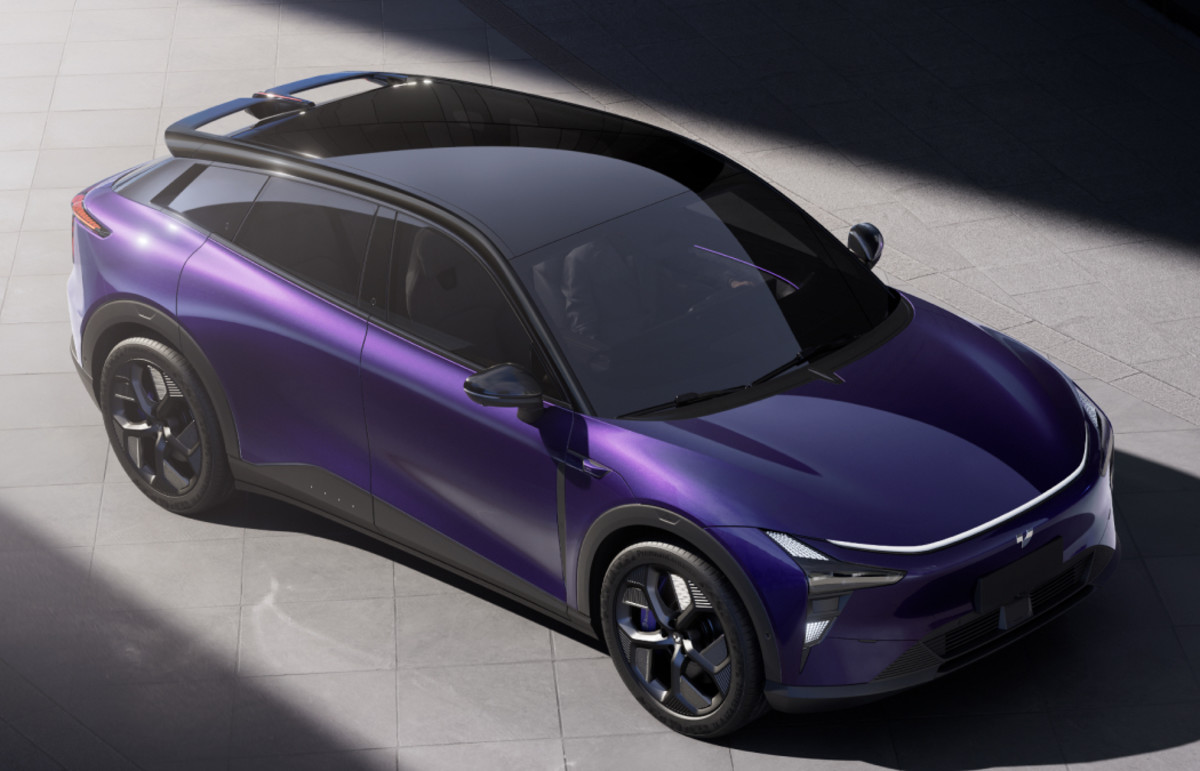
Geely

When Bigger Stops Being Better

The new cap is particularly stringent when viewed through a U.S. lens, where EVs are often developed to be larger, heavier, and more powerful in response to consumer preferences. A clear outlier under China’s framework would be the GMCHummer EV, which is widely regarded as one of the least efficient EVs on sale today. The Hummer EV carries an EPA efficiency rating of roughly 53 MPGe while tipping the scales well over 8,600 pounds.

Chinese regulators argue that the tighter standard will produce tangible benefits. The updated rule tightens energy-consumption requirements by approximately 11 percent, which authorities say could result in an average 7-percent increase in driving range for EVs using the same battery capacity. In addition, the regulation is intended to accelerate the adoption of energy-saving technologies, pushing manufacturers toward more efficient motors and EV architectures.
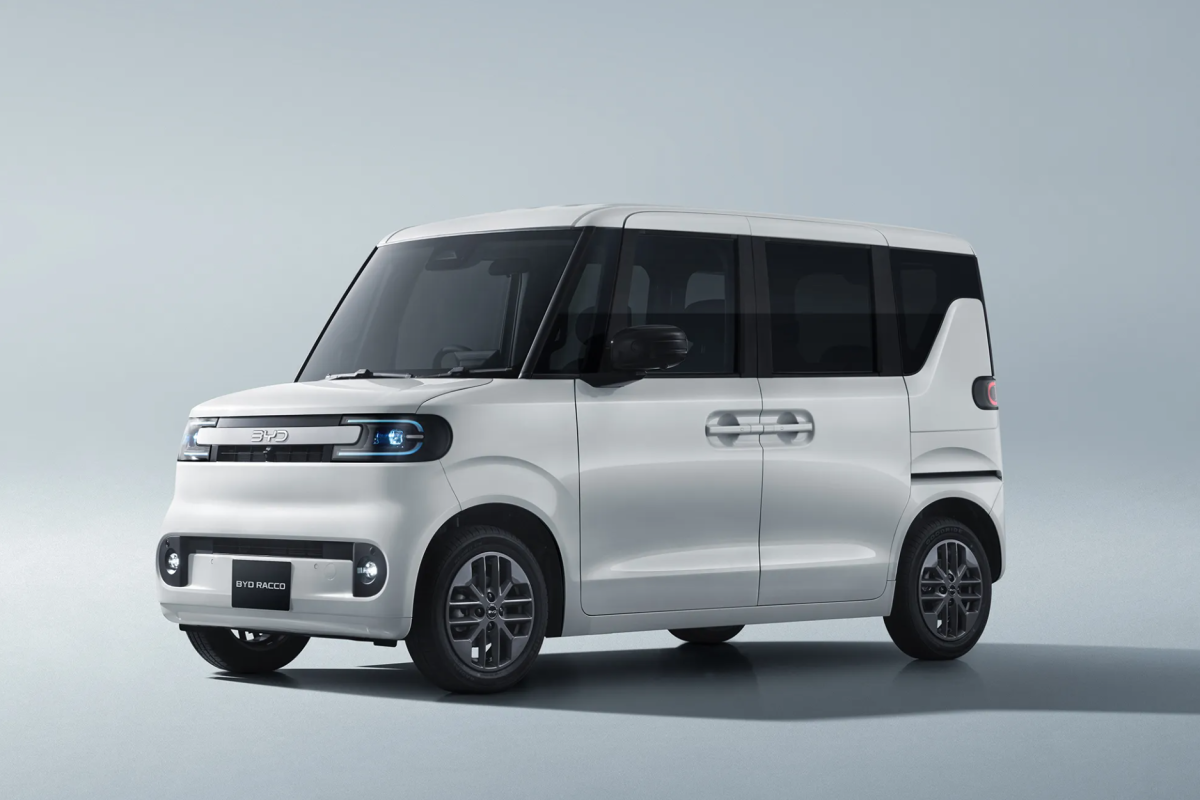
BYD

Setting the Stage for a New EV Reality

The new cap applies only to battery-electric vehicles, so hybrids and plug-in hybrids – like the Toyota RAV4 Prime – are exempt. CarNewsChina also reports that many EVs from Geely and BYD, two of the top-selling EV brands in China, already comply with the new limits and are expected to require minimal or no changes.

While the regulation applies specifically to China, its influence could extend well beyond the domestic market. As the world’s largest EV market, China sets one of the most influential benchmarks for global EV development, meaning automakers hoping to compete there may need to rethink vehicle size, weight, and efficiency. Over time, that pressure could reshape global EV strategies – effectively discouraging oversized, inefficient EVs from entering the market. The new regulation is scheduled to take effect on January 1, 2026.
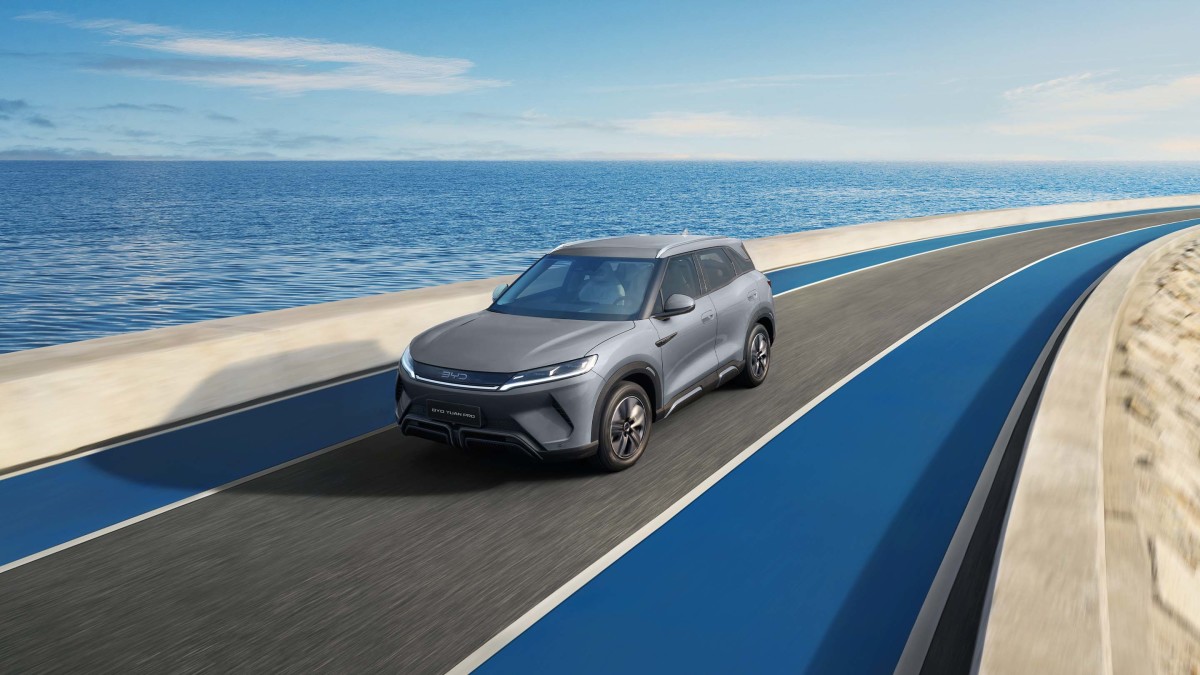
BYD


View the 3 images of this gallery on the
original article

via Autoblog https://ift.tt/0onwCAU

December 30, 2025 at 01:26PM
Texas Introduces Variable Speed Limits to Save Lives

https://www.autoblog.com/news/texas-rolls-out-digital-speed-limit-signs

Drivers in the state of Texas can no longer assume they know the roads well enough to stick with the speeds they’ve always done, as new variable speed limits are rolling out across the state. Digital speed limit signs are being installed to change the legal limit on certain roads after a deadly February 2021 crash, originally attributed to icy roads, raised safety concerns. A multi-car pileup took place on I-35W during an intense winter storm, and temperatures had fallen below freezing for over 36 hours with speed limits remaining at 75 mph, according to the National Transportation Safety Board’s report. Six died, and 36 were injured in an accident that spanned 1,100 feet on the North Tarrant Expressway.

Expect to See More Digital Signs Across the State

Naturally, a vehicle’s braking distance and handling change when the weather turns inclement and reduces traction, and these new variable limits aim to reduce the risks that drivers face when their vehicles become more difficult to control. The initiative began with a pilot program two years ago, after legislators approved the use of variable speed limits to change posted limits depending on road conditions. The idea is that people will be encouraged to drive more slowly when the weather turns bad, when there’s traffic up ahead, or when other hazards present themselves (roadworks, accidents, et cetera). Similar signs already exist in Colorado, Washington, Oregon, Minnesota, Florida, and several other states, using real-time data to adjust the limits in the hopes of improving safety and flow.

Related: Hennessey Reveals Why He Keeps Chasing Dangerous Speed Records

"If we’re not able to alter or modify the speed limit to reflect the current conditions, safety is in jeopardy," State Representative Terry Canales, author of the bill to authorize variable speed limits, told the Texas Tribune. The signs will start to appear on freeways already connected to the Intelligent Transportation System, which uses cameras and sensors to monitor conditions, readjusting the limits once conditions are deemed safe, reports Chron.

Meanwhile, in Arizona…

Getty Images

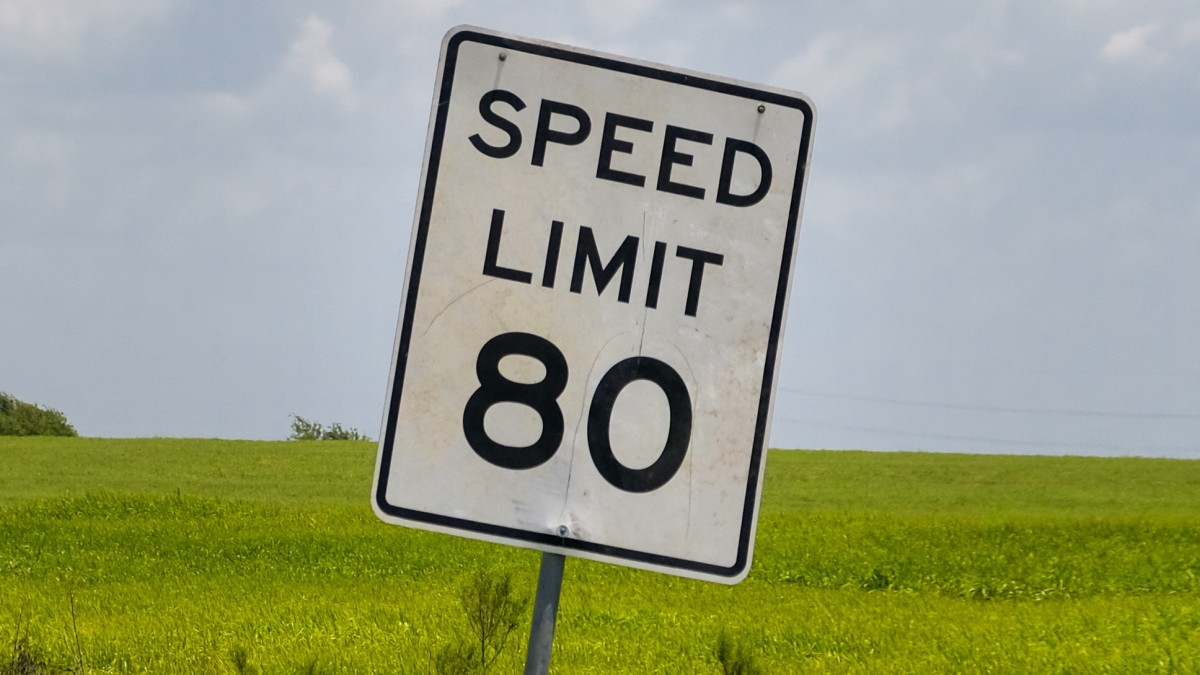
As Texas works to ensure speed limits suit the conditions, a new bill proposed by Arizona State Rep. Nick Kupper could remove them entirely — but only at certain times. The Reasonable and Prudent Interstate Driving (RAPID) Act endeavors to give the Arizona Department of Transportation the authority to create "derestricted speed zones" on certain rural interstates during daylight hours, with an 80-mph limit remaining in place after dark. The derestriction would also not apply to commercial vehicles, including semi trucks, and urban areas with populations over 50,000 people would remain restricted, too. A long list of requirements would need to be met, but like the implementation of variable limits in Texas, the idea is that this would help improve traffic flow and safety, though some argue that irresponsible individuals would abuse the Autobahn-like measure.

via Autoblog https://ift.tt/0onwCAU

December 30, 2025 at 01:26PM
Toyota Says America’s EVs Could Power 40 Nuclear Reactors

https://www.autoblog.com/news/toyota-says-americas-evs-could-power-40-nuclear-reactors

The Irony of Toyota’s Big Announcement

Toyota just dropped an eye-opening postulation about battery electric vehicles with vehicle-to-grid capabilities. The manufacturer says the roughly four million EVs currently on American roads could collectively pump approximately 40,000 megawatts back into the power grid, equalling what 40 nuclear reactors generate. Your idle EV could help stabilize grids by leveling spikes in demand, limit outages, and technically even reduce your energy costs.

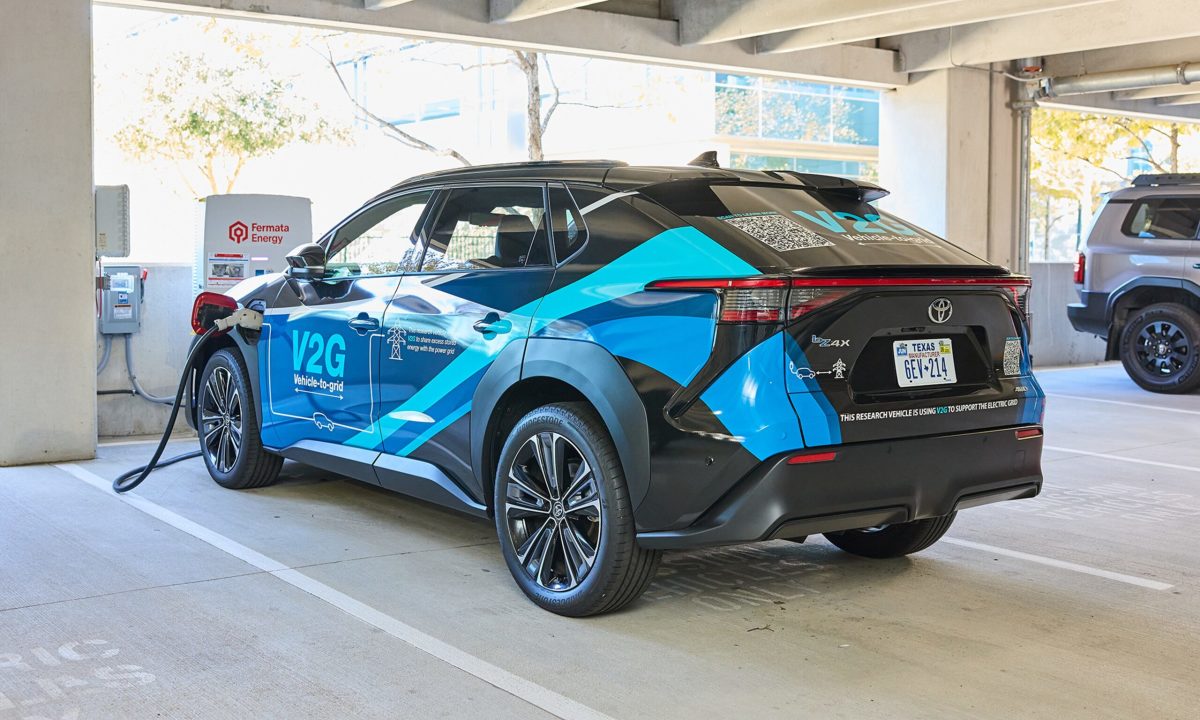
The only issue with this is that Toyota is championing V2G technology without currently offering a single production vehicle in North America that supports bidirectional charging. A Japanese-spec bZ4X prototype equipped with V2G has been doing the rounds for the pilot, but American buyers can’t buy it. Toyota is essentially promoting technology they haven’t yet committed to selling.

Toyota

Why Bidirectional Charging Is a Big Deal 

This is how it works in theory: EV owners charge batteries during cheap off-peak nighttime hours, then either power their homes directly or sell stored energy back to the grid during expensive peak periods. Think of it like the stock market: buy low and sell high, though that isn’t the prime goal here.

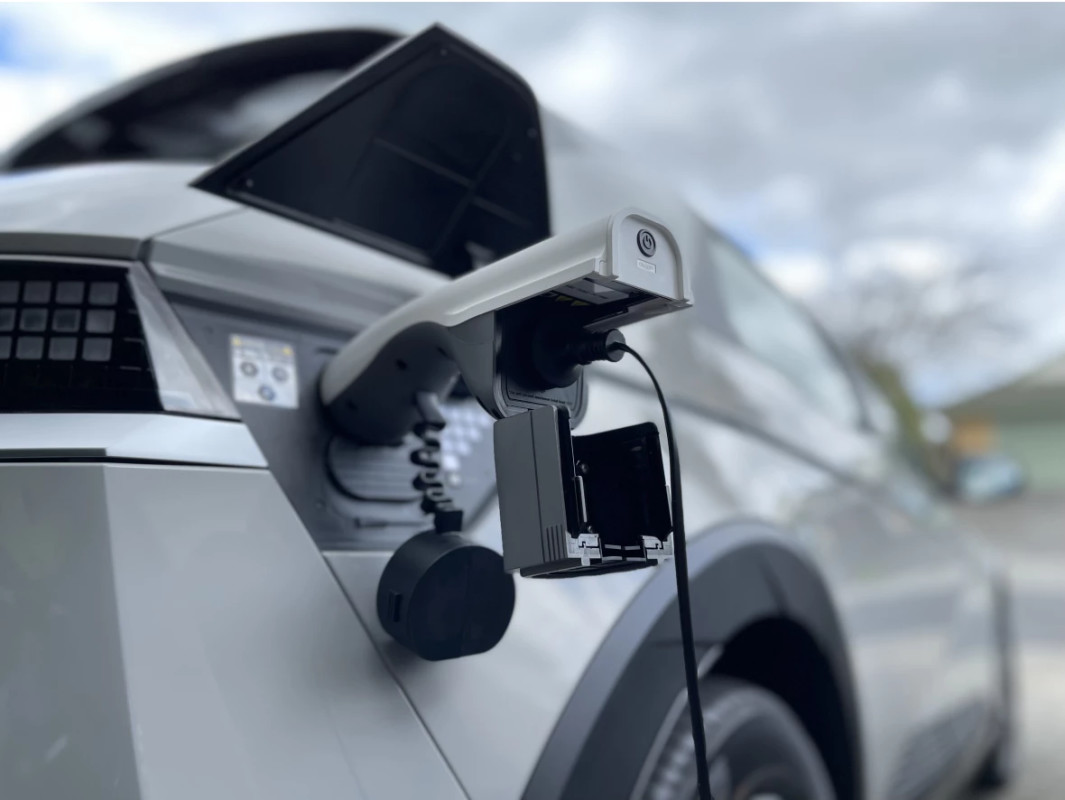
Bidirectional charging can stabilize the grid during extreme weather or outages. When thousands of vehicles act as distributed storage, utility companies can avoid firing up expensive backup generators during demand spikes. What’s more interesting is vehicle-to-home and vehicle-to-load technology, which allows drivers to directly give energy back to their homes or appliances.

Hyundai

Final Thoughts

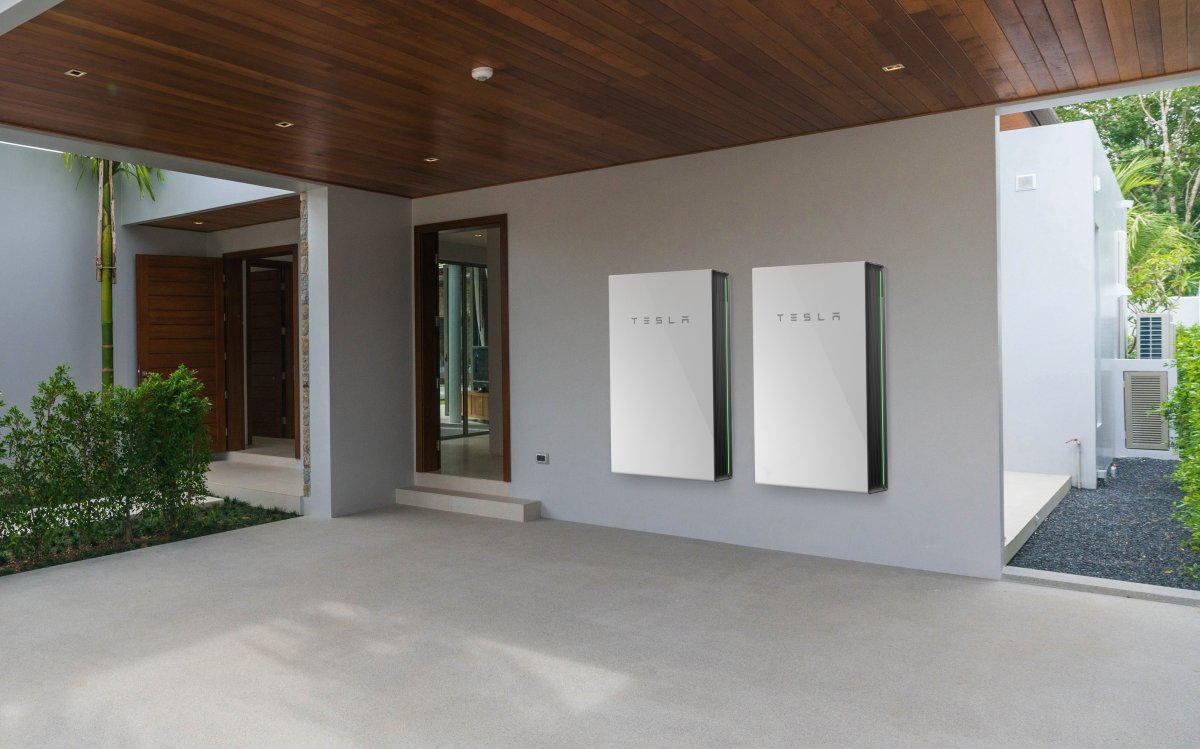
While Toyota experiments, other manufacturers have already delivered. The Ford F-150 Lightning’s 9.6 kW of V2H power is enough to run an average house for three days during outages. Nissan pioneered this space in 2013 with the Leaf, theoretically letting owners earn money by feeding power back during peak demand. General Motors standardized V2H charging across its 2024 electric lineup, while Hyundai and Kia are running European pilot programs with the Ioniq 5. Tesla‘s Cybertruck now delivers 11.5 kW of home backup through its Powerwall system.


Despite Toyota’s grand projections, implementation faces obstacles. Most grids aren’t configured for bidirectional charging, and the home charging equipment costs thousands of dollars, turning off users who own vehicles with V2G capability. Then there’s battery degradation from working those extra cycles, and the fact that the regulatory framework governing electricity sales varies wildly from state to state. While the current costs associated with setting up bidirectional charging still skew the economics against it, the time when it all makes sense and Toyota’s vision comes to life isn’t so far off. 

via Autoblog https://ift.tt/0onwCAU

January 1, 2026 at 10:49AM