
The Best of Both Worlds? Not Always
A plug-in hybrid vehicle (PHEV) offers several advantages, including lower fuel costs and reduced emissions, without requiring buyers to make a full transition to an all-electric vehicle. However, apart from their apparent non-eco-friendliness, PHEVs experience roughly 80 percent more problems than their purely internal-combustion counterparts, according to Consumer Reports (CR). This figure raises questions about the technology’s long-term reliability and reputation.
In its latest annual survey – based on responses from the owners of about 380,000 vehicles from the 2000 through 2025 model years, and a few early 2026 models – CR breaks down which PHEV models across various segments contributed most to that disparity, offering buyers more detailed insight as they consider their next vehicle purchase.
CR’s 2026 PHEV List
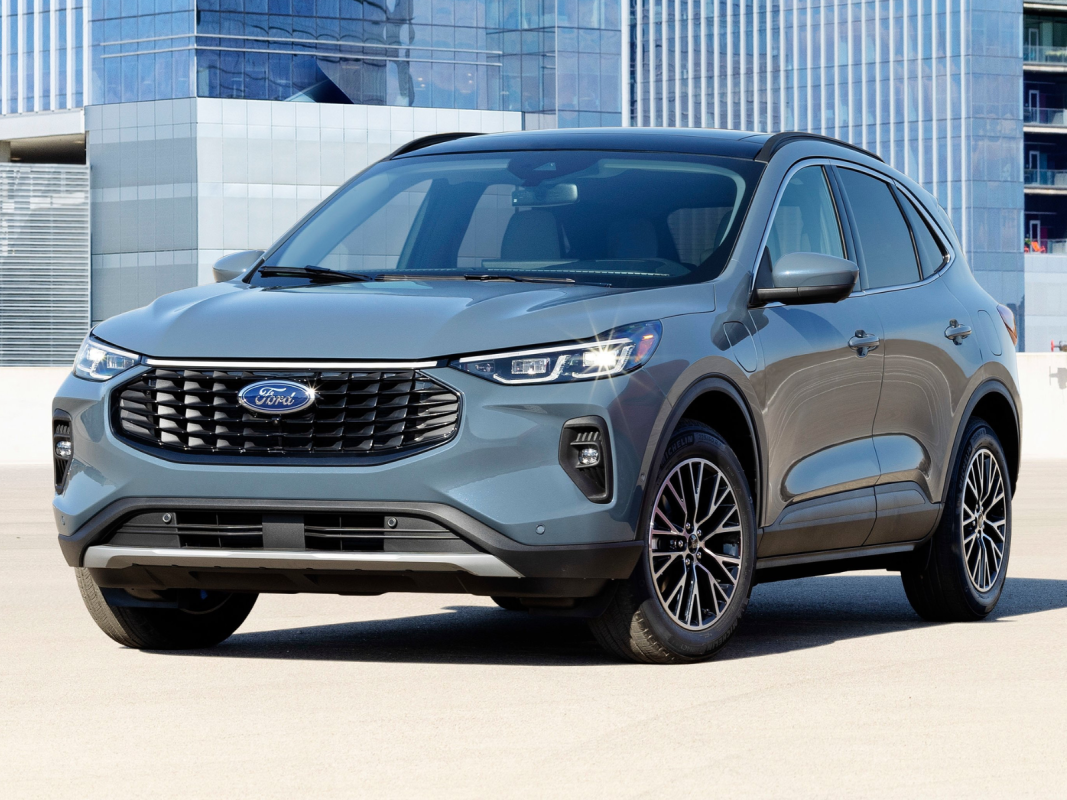
The Ford Escape PHEV ranks as the least reliable among compact SUVs, a segment that also includes the Toyota RAV4 Prime and the Mitsubishi Outlander PHEV. Owners participating in the survey cited a wide range of issues specific to the Escape PHEV, including EV battery replacement, battery cooling, EV charging, and electric accessories. In addition to PHEV-related concerns, respondents also reported non-electrification-related problems involving the steering and suspension, as well as the climate control system.
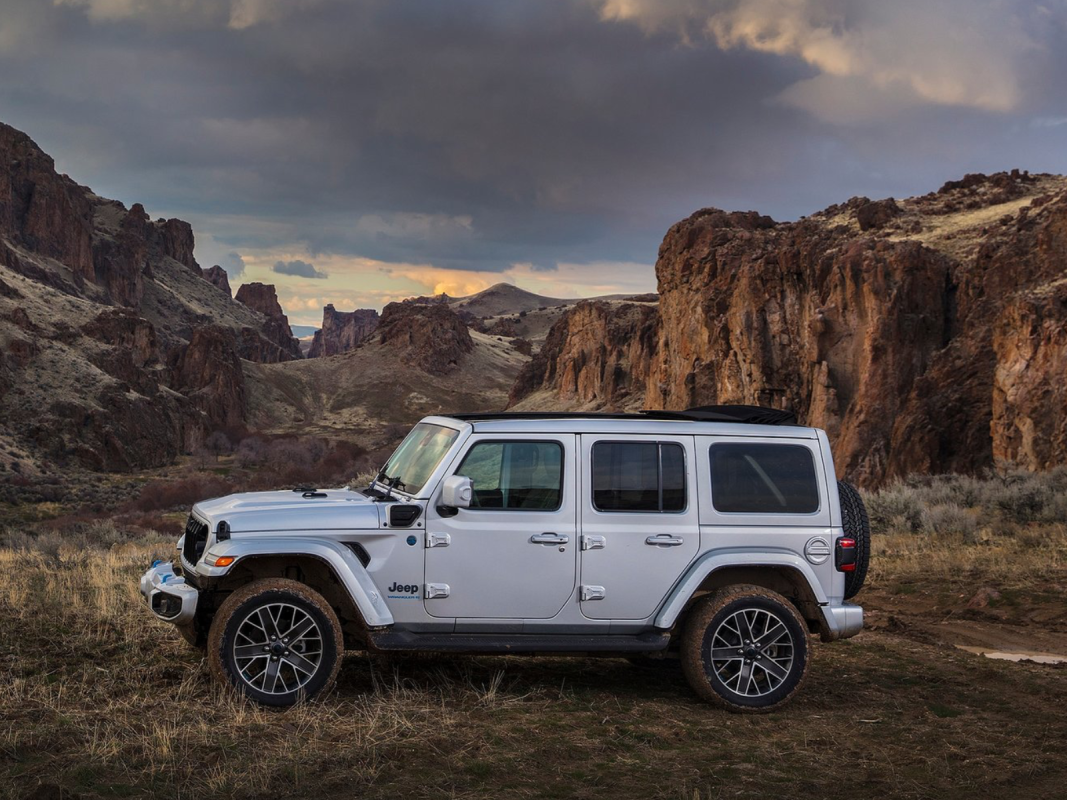
Stellantis appears multiple times on the list, starting with the Jeep Wrangler and Grand Cherokee using the 4xe, the automaker’s plug-in hybrid technology paired with a 4×4 drivetrain. According to CR, all reported issues were tied directly to the 4xe system, including problems with the hybrid system itself, EV battery stalling, and the electric motor. One owner claimed their vehicle was “bricked for nearly six months,” while another reported making eight dealer visits to address recurring hybrid-related failures.
Regulators have also taken notice. NHTSA has been involved in multiple 4xe actions, including a recall tied to loss of drive power issued earlier this year. Separately, the non-4xe Grand Cherokee was also cited in Consumer Reports’ latest survey of the most unreliable SUVs.
At the larger end of the spectrum, the Mazda CX-90 PHEV reportedly ranks as the least reliable among full-size SUVs. This finding mirrors CR’s 2026 Reliability Brand Rankings, in which Mazda dropped from the top 10 to 14th overall. The CX-90 PHEV was flagged for a long list of problems, including issues with the EV battery, electric motor, and engine electrical system. Owners also reported faults involving the transmission (both major and minor), drivetrain and fuel system, climate controls, steering and suspension, brakes, electric accessories, body hardware, in-car electronics, noises/leaks, and paint and trim quality.
One owner summarized their experience by saying their CX-90 PHEV suffered a “hybrid malfunction that causes the car to seize. It will not start, go into gear, or charge.”
The Cost of Complexity
In the luxury segment, the Volvo XC60 PHEV earns similarly unwanted recognition. The report cites issues affecting electrical accessories, the climate system, the drivetrain, the electric motor, and the EV battery. One owner noted that after just a month of ownership, their XC60 PHEV “would not go over 26 mph and went into snail mode,” a term commonly used to describe limp mode, where power output is reduced to prevent further damage.
Another Stellantis model is the Chrysler Pacifica PHEV, though, to be fair, it remains the only minivan with a plug-in hybrid powertrain currently sold in the U.S. For context, the Toyota Sienna and Kia Carnival are offered only as conventional hybrids. At the same time, the Honda Odyssey remains purely internal combustion, despite its Japan-market counterpart using a dual-motor hybrid setup similar to that found in the Civic and Accord. According to CR, Pacifica PHEV owners reported issues involving the transmission, engine, in-car electronics, electric accessories, EV charging, and EV battery cooling.
With automakers like Volvo now scaling back earlier all-electric timelines, this report suggests there is still considerable work to be done to ensure that multi-powertrain strategies – particularly those involving PHEVs – can deliver the reliability consumers expect.
via Autoblog https://ift.tt/0onwCAU
December 28, 2025 at 10:07AM