
I have a drawer full of USB cables and every time I want to connect a device, I have to try them out. USB-C was supposed to simplify things: One cable for everything, that was the promise. In practice, it’s a different story: There are cables that can only charge. There are some that transfer data. Some also transmit image information, which can then be used as a monitor cable.
And then there is always the question of speed: 30 or 100 watts of charging power? USB 2.0 speed with 480 megabits or USB 3.2 or even Thunderbolt with up to 40 gigabits per second? Unfortunately, the cable labelling often doesn’t help to bring order to the cable chaos. And then devices run or charge unnecessarily slowly because the wrong cable has been used.
Inexpensive cable tester solves cable problems
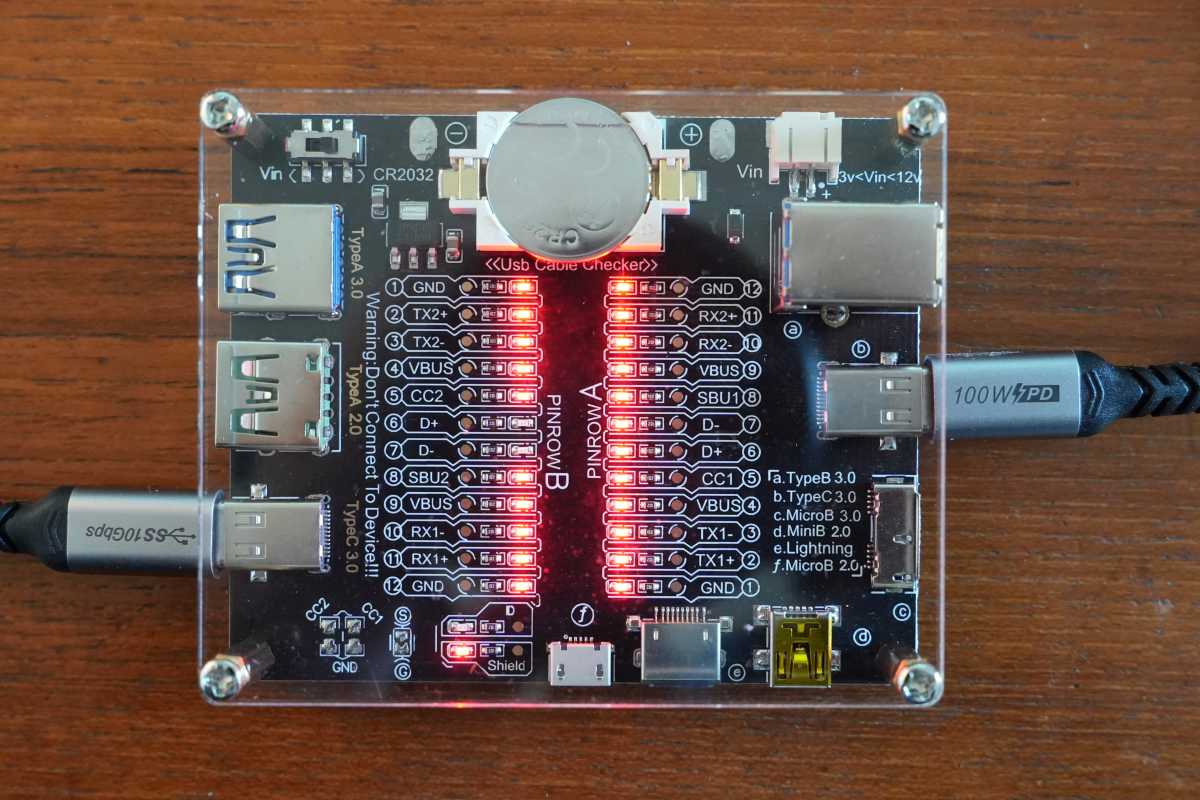
Fortunately, this has now come to an end for me: An inexpensive cable tester from Treedix makes testing cables child’s play: Simply plug it in, check the LEDs, and I know whether my cable is “good” or whether I can stuff it in the other cable box in the basement. The one where I also keep SCART and jack cables.
The tester’s small, clever circuit board is powered by an inexpensive CR2032 button battery and offers a number of USB ports. In addition to two USB-C 3.0 ports, there are two USB-A ports (USB 2.0 and USB 3.0) as well as mini-USB, micro-USB, Type-B, Lightning, and a hard drive connector (Micro-B 2.0).
The functionality is as simple as it is efficient. Simply plug both ends of the cable to be tested into the device and the cable tester will display a series of LEDs. Basically, the more LEDs that light up, the better the cable.
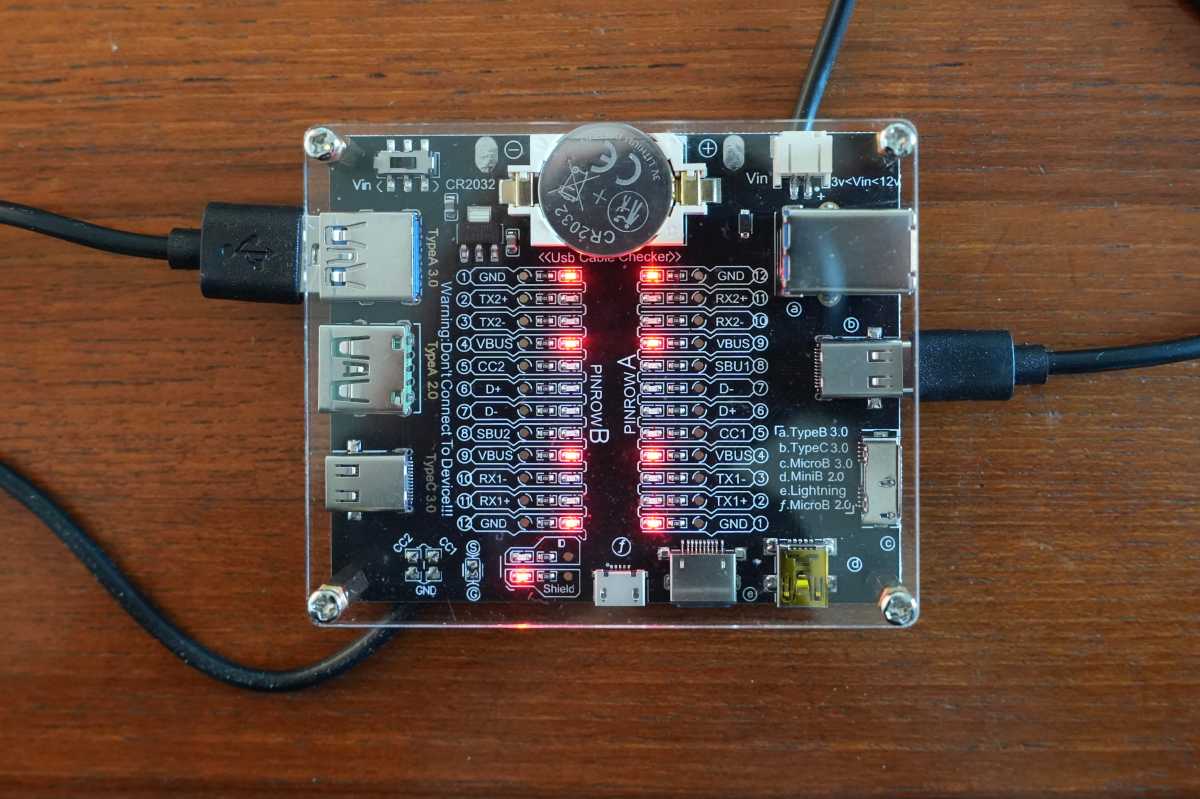
Meaning of the individual LEDs on the cable tester
Unfortunately, no instructions were supplied with my cable tester — however, there is a PDF online with operating instructions for the Treedix version.
Unfortunately, the cable tester does not currently support Thunderbolt or USB 4.0 — but this is not a problem, as both cable types have to be labelled as standard anyway. What’s more, these cables are relatively expensive and should therefore be easy to remember — at least that’s how it is for me.
No household should be without a USB cable tester
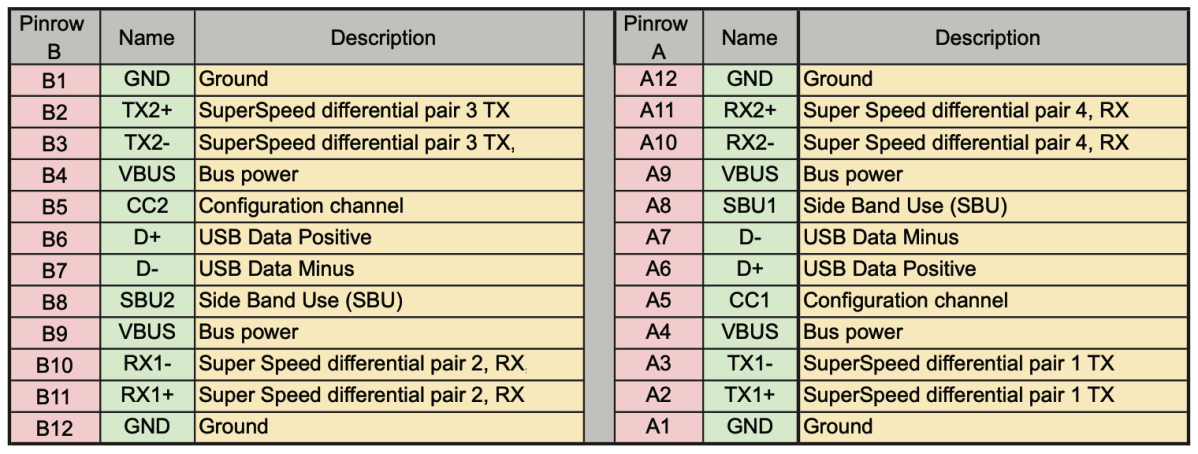
For me, the small cable tester is also more of an aid to sorting the countless other cables. Ragged USB-C charging cables can look just like the high-quality cables from the digital camera — with the difference that they don’t work in the same way. The cable tester helps me a lot here — and in my opinion, no household should be without one. Especially as it’s inexpensive and easy to use.
via PCWorld https://www.pcworld.com
December 19, 2025 at 05:32AM